
Austin Texas Estate Sale Realtor: Your Complete Guide to Selling a Loved One's Home
Index
- What Is an Estate Sale Realtor?
- Why You Need a Specialized Realtor for Estate Sales
- Emotional and Practical Challenges of Estate Sales
- Austin Market Context for Estate Properties
- Key Services an Estate Realtor Provides
- Step-by-Step Estate Sale Process in Austin
- Pricing Strategy and Market Valuation
- Preparing the Home for Showing and Sale
- Legal and Tax Considerations
- Selling a Furnished Estate Home vs. Liquidating Contents
- Timeline, Urgency, and Estate Deadlines
- Frequently Asked Questions
- Local Notes for Austin Executors and Heirs
- Ready to Begin Your Estate Sale Process?
What Is an Estate Sale Realtor?
An estate sale realtor is a licensed real estate professional with specialized expertise in marketing and selling properties that are part of a deceased person's estate, a trust liquidation, or a significant life transition (downsizing, relocation, divorce settlement). Unlike a standard realtor transaction, estate sales often involve heirs, executors, trustees, or attorneys who may have limited time, competing interests, or complex legal and tax considerations.
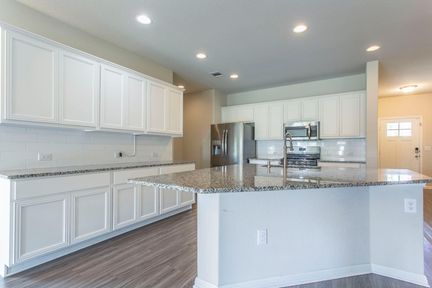
The role goes beyond listing and showing. An estate realtor acts as a trusted advisor who understands probate timelines, property condition issues, family dynamics, and the unique marketing challenges of older homes or properties with deferred maintenance. In Austin's competitive 2026 market, this expertise translates into faster sales and better pricing.
Why You Need a Specialized Realtor for Estate Sales
Estate sales are fundamentally different from typical residential transactions. Here's why hiring a realtor with estate-sale experience matters:
- Probate and Trust Timeline Awareness: Your realtor must understand Texas probate law, probate timelines, and the authority required to list a property. Not every executor or trustee can list immediately; a knowledgeable realtor knows the steps.
- Family Sensitivity: Heirs may disagree on sale price, timeline, or condition. A seasoned estate realtor can navigate these conversations professionally and without bias.
- Property Condition Challenges: Estate homes often have deferred maintenance, outdated systems, or clutter. Your realtor should know what repairs are mandatory vs. optional, and how to market honestly without turning buyers away.
- Pricing Accuracy: Older homes require careful home appraisals in Austin that factor in both condition and neighborhood upside. An estate realtor has seen hundreds of comparable sales and knows what buyers actually want.
- Tax and Legal Guidance: Estate realtors partner with real estate attorneys and tax advisors. They know when to refer you and when to flag a concern.
- Marketing Authority: An estate property may need creative positioning — highlighting potential, neighborhood value, or investment opportunity — not just the current condition.
Emotional and Practical Challenges of Estate Sales
Selling a parent's, grandparent's, or loved one's home is rarely about real estate alone. Heirs often grapple with grief, nostalgia, and guilt about "letting go" of the family home. A professional estate realtor brings objectivity and compassion, separating emotional attachment from market reality.
Common emotional hurdles:
- Disagreement between heirs on sale timing or asking price
- Guilt about not preserving the home "as it was"
- Uncertainty about the deceased's true wishes
- Pressure from the court or trust beneficiaries to settle the estate
- Difficulty deciding what to keep, donate, or discard
Practical obstacles:
- The property may be in poor repair and require inspection before listing
- There may be liens, back taxes, or outstanding mortgages against the estate
- The deed may require probate clearance before a realtor can list
- Insurance and liability issues if the home is vacant
- Coordinating schedules for showings when heirs live out of state
Your estate realtor should help you navigate both the emotion and the logistics, keeping you focused on the goal: a fair sale that honors your loved one and settles the estate efficiently.
Austin Market Context for Estate Properties
Austin's real estate market in 2026 remains active and competitive, but with notable shifts from previous years. Inventory has normalized compared to 2025, and buyer preferences have become more selective. This environment actually favors well-marketed estate homes — if priced fairly and presented clearly, they attract serious, often cash-ready buyers.
Why Austin estate homes appeal:
- Strong buyer interest from relocators and investors seeking established neighborhoods (Central Austin, South Congress, Mueller, North Loop)
- Older homes on larger lots attract developers and builders eyeing redevelopment potential
- Austin's growth continues to drive demand for properties in desirable school districts
- A surge in downsizers and retirees creates complementary demand (someone selling the large family home is also buying a condo or 55+ community)
Understanding current Austin market conditions is critical for setting the right price and timeline. An estate realtor knows not just what similar homes sold for, but what buyers in 2026 are looking for and willing to pay.
Key Services an Estate Realtor Provides
A full-service estate realtor offers much more than a standard listing. Here's what you can expect:
- Initial Consultation & Legal Review: Meet to understand the estate, probate status, timeline, and any legal constraints. The realtor may recommend you speak with a real estate attorney to clarify authority to list.
- Property Inspection & Condition Assessment: The realtor walks the home, identifies deferred maintenance, structural concerns, and cosmetic issues. They advise on repair prioritization: what must be fixed before listing vs. what can be disclosed and handled by the buyer (or reflected in price).
- Comparative Market Analysis (CMA): A detailed report of recent sales, pending listings, and expired listings of similar homes in the area, adjusted for condition, lot size, and location. This establishes a defensible asking price.
- Strategic Positioning & Marketing: Crafting the listing narrative — whether the home is a "charming original" with potential, a "developer opportunity," a "turnkey investment," or a "family sanctuary." Photos, virtual tours, floor plans, and online ads are tailored to attract the right buyer profile.
- Showing Coordination: Managing open houses, private showings, and buyer feedback. The realtor buffers heirs from constant disruption and handles scheduling across multiple time zones if needed.
- Offer Negotiation: When offers arrive, the realtor advises on terms, contingencies, and timing. Estate sales often move faster than typical transactions, and the realtor knows how to recognize a solid offer vs. a lowball.
- Closing Coordination: Working with the title company, attorney, and lender to ensure smooth closing. The realtor monitors Austin closing process requirements and flags any delays.
- Tax and Financial Guidance (with professional referrals): While not a CPA, an estate realtor can connect you with a tax specialist to discuss capital gains implications and basis step-up at death.
Step-by-Step Estate Sale Process in Austin
Understanding the flow of an estate sale helps you prepare mentally and logistically. Here's a typical timeline:
- Initial Consultation (Week 1–2): Meet with your realtor and, if needed, your estate attorney. Confirm you have authority to list (via deed, probate order, or trust document). Discuss timeline, price expectations, and any obstacles (liens, repairs, family disagreements).
- Property Inspection & CMA (Week 2–3): The realtor inspects the home, compiles repair estimates, gathers comparable sales data, and prepares a market analysis. This typically takes 1–2 weeks.
- Repairs & Preparation (Week 3–6): If major repairs are necessary, coordinate contractors. If the home is cluttered, arrange for cleanout, estate sale liquidation, or donation services. Light staging may occur to neutralize the home and highlight potential.
- Listing Launch (Week 6–8): The realtor lists the property on the MLS, publishes photos and virtual tour, and coordinates open house or agent previews. Marketing ramps up across digital and traditional channels.
- Showing & Offer Phase (Week 8–16): Showings begin. Feedback informs any price adjustment or repositioning. When an offer arrives, the realtor presents it, discusses terms, and negotiates with the buyer's agent.
- Accepted Offer & Inspection Period (Week 16–22): Once you accept an offer, the buyer (usually) has 7–10 days for inspection, appraisal, and final walkthrough. Your realtor handles any repair requests or renegotiation.
- Closing & Settlement (Week 22–26): Title work is finalized, final walkthrough occurs, and closing is scheduled. Funds disburse per the probate order or trust distribution instructions.
This timeline is approximate. Simple, well-maintained estate homes may sell in 4–6 weeks; homes needing significant repairs or in complex probate situations may take 3–6 months.
Pricing Strategy and Market Valuation
Pricing an estate home is both art and science. Set it too high, and it sits; set it too low, and the estate loses money. An experienced estate realtor navigates this carefully.
Valuation factors specific to estate homes:
- Condition & Age: Older homes (50+ years) often have deferred maintenance — roofing, HVAC, plumbing, electrical. A proper inspection report and contractor estimates are essential for accurate pricing.
- Lot Value vs. Structure Value: In desirable Austin neighborhoods, the land may be worth more than the house. A developer or investor might buy the home "for the lot" and plan a teardown or major renovation. The realtor should highlight this upside.
- Functional Obsolescence: Out-of-date kitchens and baths reduce appeal but are often cosmetic fixes. The realtor prices these into the offer; savvy buyers see opportunity.
- Market Days on Market: An estate home in Austin might sit 30–60 days if priced right. If it's still on market after 90 days, the market is signaling the price is too high. Your realtor will recommend a strategic price reduction.
- Comparable Sales Adjusted for Condition: The CMA should include homes of similar age, lot size, and neighborhood, with clear adjustments for condition differences. This removes emotion from the valuation.
Honest pricing often leads to faster sales and higher net proceeds because it attracts multiple offers and avoids days-on-market cost (carrying costs, vacancy liability, etc.).
Preparing the Home for Showing and Sale
Estate homes often benefit from thoughtful preparation. The goal is not a high-end renovation but a clear, neutral presentation that lets buyers envision the property's potential.
Priority cleanout & depersonalization:
- Remove 60–70% of furniture and personal items. An overfilled home looks smaller and feels stuck in the past.
- Clear family photos, memorabilia, and religious items so buyers can imagine their own family there.
- Donate, liquidate, or discard items. Some heirs opt for a professional estate-sale company; others prefer charitable donation or bulk haul-away services.
Strategic repairs vs. cosmetic touch-ups:
- Mandatory: Fix safety issues (loose railings, broken steps), address major water damage, ensure HVAC/electrical pass inspection.
- High ROI: Fresh paint, new flooring in high-traffic areas, updated light fixtures, landscaping cleanup.
- Skip: Major kitchen/bath remodels unless the CMA justifies the cost. Buyers often prefer to renovate to their taste.
Staging to highlight potential:
- Arrange the remaining furniture to show room size and flow.
- Add fresh flowers, subtle lighting, and neutral scents to create emotional appeal.
- Highlight unique features: hardwood floors, original trim, vintage charm, outdoor living space.
Many estate realtors work with professional stagers or cleanout companies, and they know the vendors who provide best value in Austin. This is included in the service package or available as a recommendation.
Legal and Tax Considerations
Estate sales involve several legal and financial dimensions that differ from standard transactions.
Probate Authorization:
In Texas, if the deceased left a will that has gone through probate, the executor has the authority to list and sell. If there's a living trust, the trustee has authority. If the estate is small and there's no probate, you may be able to proceed with a deed transfer and sale. Your realtor should refer you to an estate attorney to confirm your authority before listing.
Liens and Back Taxes:
Before closing, all liens (mortgage, property tax, homeowners association, judgment) must be satisfied from the sale proceeds. A title search will reveal these. The realtor and title company handle the payoff hierarchy at closing.
Capital Gains Tax for Heirs:
A critical advantage for heirs is the stepped-up basis: the property's fair market value as of the date of death becomes the new tax basis. This means if the home was purchased for $50,000 in 1980 but is worth $450,000 today, heirs owe capital gains tax only on the difference between the sale price and $450,000 (the stepped-up basis). This can result in zero federal capital gains tax if the home doesn't appreciate further. Discuss this with a tax professional and review IRS guidance on the sale of your home to understand your specific situation.
Texas Homestead Exemption & Transfer:
If the deceased was living in the home and had a homestead exemption, it does not automatically transfer to heirs. Upon sale, the exemption ends. The realtor or title company will handle this administrative detail.
Selling a Furnished Estate Home vs. Liquidating Contents
One of the first decisions is whether to sell the home furnished, unfurnished, or with some items included.
Selling Furnished:
- Pros: Faster sale (no time to empty); buyers see an "as-is" turnkey home; some older furniture may have antique value.
- Cons: Reduces buyer pool (many want to furnish to their taste); furniture can hide structural issues; liability if someone is injured by old/unstable pieces.
Selling Unfurnished (Clean-out First):
- Pros: Larger buyer pool; reveals true home condition; heirs can claim valuable antiques or keepsakes; neutral canvas for staging.
- Cons: Requires liquidation (selling at estate sale, auction, or donation), which takes time and coordination; out-of-state heirs may need to hire liquidation services.
Professional Estate Liquidation Services:
Many families hire estate-sale companies or auctioneers to liquidate the home's contents. These specialists typically take 30–40% commission but handle all marketing, sales, and logistics. Your realtor can recommend reputable local liquidators.
Best practice: Clean out the home before listing. A neutral, empty home sells faster and for more money in most Austin markets. The cost of cleanout is offset by the faster sale and fewer buyer concerns.
Timeline, Urgency, and Estate Deadlines
Unlike a standard sale, estate sales often operate under court-imposed or family-imposed deadlines.
Probate Timelines:
- A typical Texas probate takes 4–12 months, depending on estate complexity and whether heirs agree on the will.
- The executor (or you, if you are the executor) may be directed by the court to sell real estate within a certain timeframe.
- Delayed sales tie up the entire estate settlement and can incur additional holding costs.
Beneficiary Distribution Pressure:
- If multiple heirs are waiting to receive their inheritance, there's often implicit pressure to sell quickly and fairly.
- A realtor with estate experience knows how to balance speed with getting the best price.
Carrying Costs:
- Property taxes, homeowners association fees, insurance, and utilities continue to accrue on an estate home.
- Vacant homes are vulnerable to vandalism, theft, and code violations.
- Every month of delay costs the estate money; faster sales preserve value for heirs.
An experienced estate realtor will develop a realistic timeline with you upfront, and they'll push for urgency while maintaining professionalism. If the market supports a 60–90-day sale, they'll get it done. If repairs are needed, they'll communicate that early so heirs can plan accordingly.
Frequently Asked Questions
How long does it typically take to sell an estate home in Austin?
A well-maintained estate home in a desirable Austin neighborhood typically sells in 4–8 weeks. Homes requiring repairs or in less-desirable areas may take 2–4 months. Complex probate situations or family disagreements can extend the timeline to 6+ months. Your realtor will provide a realistic estimate based on the property's condition, market demand, and pricing strategy.
Can I sell an estate home while probate is still pending?
In Texas, yes — but the executor needs authority from the probate court or the home must be listed under a valid trust or other legal instrument that grants authority. You cannot sell a probate estate property without court approval or proper deed authority. Your realtor will refer you to an estate attorney to clarify your standing before listing.
What if multiple heirs disagree on whether to sell or the asking price?
This is common and challenging. If the estate is in probate, the court may intervene if heirs cannot agree. If the estate is in a trust, the trustee has authority to list (but should still seek consensus when possible). Your realtor can present market data and comparable sales to frame the discussion objectively. If impasse persists, the probate judge or trustee may order a sale to settle the disagreement. Many families benefit from mediation before it escalates to that level.
Do I owe capital gains tax on the sale of my parent's home?
Likely not, thanks to the stepped-up basis rule: your tax basis is the home's fair market value as of your parent's date of death. If the home sells for the same price or less, there's no capital gain. Only growth after the death is taxable. Consult a CPA or tax advisor for specifics, and review IRS guidance on the sale of your home to understand your situation fully.
What if the estate home has a mortgage or lien against it?
All liens (mortgages, property tax debt, HOA liens) must be paid off at closing from the sale proceeds. The title company handles this using a payoff schedule. If the sale price is less than the total lien amount (rare in Austin's market), the estate may owe money out of pocket. Your realtor and attorney will review the deed and title search early on to flag any issues.
Should I hire a professional cleanout service or handle it myself?
If the estate has a modest amount of furniture and personal items, coordinated family effort or a local junk-removal service may suffice. If the home is stuffed with 50+ years of accumulation, a professional estate-liquidation company is worth the commission. They handle marketing, sales, and logistics so you don't have to. Your realtor can connect you with reputable Austin-area liquidators.
Can I use seller concessions in an estate sale, or are there restrictions?
Yes, estate sales can include seller concessions (assistance with closing costs, repairs, title insurance) just like any sale. However, because the estate has limited ability to negotiate or contingently repair items post-sale, concessions are often limited to closing-cost assistance. Your realtor will advise on what's reasonable given the property's condition and the market.
Local Notes for Austin Executors and Heirs
Austin-area executors and heirs should be aware of a few local factors:
- Travis County Probate Court: Most Austin estates file in Travis County District Court. Probate timelines and approval processes are documented on the City of Austin municipal site and Travis County court records. Your estate attorney will navigate this.
- Texas Real Estate Commission (TREC): All licensed realtors in Texas must adhere to Texas Real Estate Commission rules, including proper contract forms and ethics standards. This protects you as the seller.
- Austin Building & Development Services: If the home will require inspections or repairs, Austin's building permits and inspections are handled by the city. Your realtor can coordinate with local contractors.
- Property Tax & Homestead Exemption: Confirm with the City of Austin whether any homestead exemption applied to the property, as it does not transfer to heirs upon sale.
- HOA Transfer & Estoppel: If the home is in a homeowners association, an estoppel letter must be requested from the HOA before closing. This confirms unpaid fees and lien rights. Your title company handles this, but your realtor will remind you early.
- Consumer Protection Guidance: If you're uncertain about your rights as a seller or executor, the Consumer Financial Protection Bureau (CFPB) offers free guidance on home sales and closings.
Ready to Begin Your Estate Sale Process?
Selling a loved one's home is a meaningful, sometimes emotional decision. You deserve a realtor who understands both the business and the heart of estate sales — someone with Austin market expertise, a network of estate-sale specialists and attorneys, and the compassion to guide you through every step.
Jessica Cheatham specializes in estate and trust-related home sales across Austin and the surrounding areas (Bee Cave, Dripping Springs, and beyond). Whether you're an executor settling an estate, an heir navigating family decisions, or a trustee liquidating a trust property, expertise and personalized service make a difference.
What to expect in a free consultation:
- A walkthrough and condition assessment of the property
- A candid comparative market analysis and pricing recommendation
- An overview of timeline, probable holding costs, and net proceeds
- Referrals to trusted estate attorneys, tax advisors, and liquidators as needed
- A clear picture of next steps and realistic expectations
To discuss your estate sale and learn how we can help, contact Jessica Cheatham today or call +1 (737) 238-1866. We're here to make this process as smooth and fair as possible.