Bee Cave TX Homes for Sale: Neighborhoods, Prices & Buyer Tips
Index
- Bee Cave TX: An Overview for Home Buyers
- Market Trends & Home Prices in Bee Cave
- Neighborhoods & Communities in Bee Cave
- Lifestyle & Amenities That Define Bee Cave
- Buyer's Guide: What to Expect When Shopping in Bee Cave
- Financing & Offers in a Competitive Market
- Local Government & Community Resources
- Schools & Family Considerations
- Investment Potential & Future Growth
- Timing Your Purchase: Seasonal Trends
- Negotiation Tactics & Seller Concessions
- Common Mistakes Buyers Make in Hill Country
- Frequently Asked Questions About Bee Cave Homes
- Ready to Find Your Bee Cave Home
Bee Cave TX: An Overview for Home Buyers
Bee Cave, Texas, is one of the most sought-after communities in the greater Austin metropolitan area, situated approximately 15–20 miles west of downtown Austin in the heart of the Hill Country. Known for its picturesque landscape, exclusive properties, and strong sense of community, Bee Cave has become a premier destination for homebuyers seeking upscale living without sacrificing proximity to Austin's vibrant urban center.
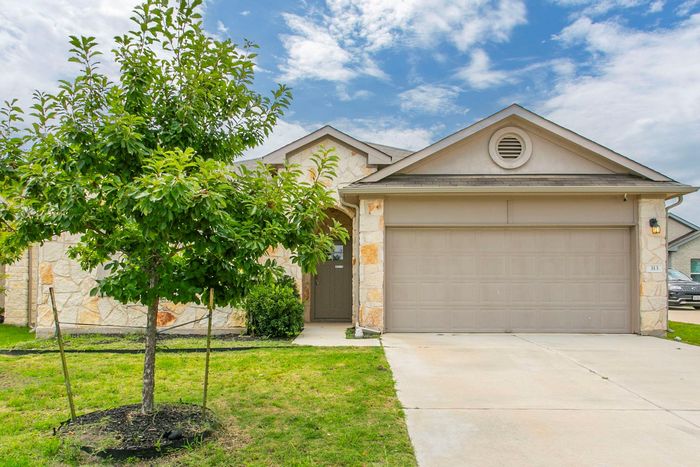
The community is defined by rolling terrain, native oak and cedar trees, and architectural styles that honor Hill Country heritage while embracing modern design. Many Bee Cave homes sit on larger lots—often 1 to 5+ acres—giving residents privacy, natural space, and stunning views. If you're considering a move to this area, understanding the market, neighborhoods, and local character is essential to making a confident purchase decision.
Why Bee Cave matters to Austin buyers: The town bridges the gap between urban convenience and rural tranquility. You get access to premier schools, upscale dining, and outdoor recreation, while living in one of Texas's most desirable addresses.
Market Trends & Home Prices in Bee Cave
The Bee Cave real estate market in 2026 reflects sustained strength in high-end Austin-area communities, with pricing that reflects both location and scarcity. Properties in Bee Cave tend to command a premium compared to other Austin suburbs, driven by lot size, privacy, and the area's established reputation.
Current price snapshot (2026):
- Median home price: typically $700,000–$1.2 million for established neighborhoods
- Price range: $400,000 to $3 million+ for luxury and acreage properties
- Average lot size: 1–5 acres in most residential areas; larger parcels available for estate-style homes
- Days on market: 30–60 days for properly positioned properties; luxury homes may take longer
The market has remained relatively resilient despite broader economic shifts. Buyer demand for Bee Cave remains steady, particularly among relocating professionals, executives, and families seeking established Hill Country character. Austin TX Real Estate Market 2026: Buyers & Sellers Guide provides deeper context on regional pricing and inventory trends.
Inventory notes: Bee Cave sees moderate turnover compared to closer-in Austin neighborhoods. The combination of large lots, custom-built homes, and owner-occupancy rates means new listings can attract multiple showings quickly. Seasonal patterns show stronger buyer activity in spring and early fall.
Neighborhoods & Communities in Bee Cave
Bee Cave itself is a small incorporated city, but the surrounding areas are commonly referred to as "Bee Cave" by locals and real estate professionals. The community spans parts of Travis County and adjacent regions, each with distinct character and price points.
Key neighborhoods and subdivisions:
- Barton Creek Lakeside: A gated community with lake access, resort-style amenities, and homes ranging from $800,000 to $2+ million. Strong demand due to exclusivity and recreational opportunities.
- Barton Creek Country Club: Homes built around an 18-hole golf course, appealing to golf enthusiasts and those seeking clubhouse amenities. Typically $1 million to $3 million.
- Kensington Park & surrounding areas: More accessible entry-level luxury, with homes from $600,000 to $1.2 million. Good for families and first-time luxury buyers.
- Oak Hill / Westlake Hills border: Prestigious addresses just adjacent to Bee Cave proper, with similar Hill Country aesthetics and strong schools.
- North of Highway 71: Semi-rural lots and acreage-focused properties, perfect for buyers seeking larger estates and agricultural potential.
If you're interested in exploring a broader range of Hill Country and Austin-area options, our Austin Texas Neighborhood Guide covers comparable communities and lifestyle trade-offs. The nearby Dripping Springs TX Homes for Sale guide is also valuable for comparing semi-rural Hill Country alternatives.
Lifestyle & Amenities That Define Bee Cave
One of Bee Cave's strongest selling points is its lifestyle. The community balances rural tranquility with easy access to Austin's restaurants, cultural venues, and employment hubs. Residents enjoy hiking trails, parks, and outdoor recreation within minutes.
Recreation & outdoor amenities:
- Barton Creek Greenbelt: miles of hiking and biking trails with swimming holes
- Zilker Park, Lady Bird Lake, and downtown Austin parks: 15–25 minutes away
- Golf courses: multiple private and semi-private options, including Barton Creek Country Club
- Shopping & dining: Hill Country Galleria, local restaurants and shops focused on Texas cuisine and craft beverages
- Live music venues: Austin's live-music scene is 15–20 minutes away in downtown Austin
Community character: Bee Cave residents value privacy, natural beauty, and a slower pace of life compared to central Austin. Many homes have spacious layouts, home offices, and guest houses. The community has a strong sense of neighborliness without the density of urban neighborhoods.
Buyers in Bee Cave are often attracted to the blend of sophisticated living (golf clubs, luxury finishes, high-end appliances) and a relaxed Hill Country lifestyle (native landscaping, outdoor entertaining, acreage).
Buyer's Guide: What to Expect When Shopping in Bee Cave
Purchasing a home in Bee Cave requires a strategic approach. The market moves briskly for well-marketed properties, and buyer competition can be intense for homes in prime locations or at popular price points.
Step-by-step buyer checklist:
- Get pre-approved: Work with a lender familiar with jumbo loans (many Bee Cave homes exceed conventional limits). A pre-approval letter strengthens your offer in a competitive market.
- Hire a local realtor: Bee Cave's market has nuances—lot size considerations, Hill Country geology, utility options, and neighborhood culture matter. A realtor with deep local knowledge will save you time and money.
- Schedule inspections early: Houses on larger lots may have septic systems, wells, or land-specific issues. Inspections take longer; plan accordingly.
- Review HOA documents: Gated communities and subdivisions often have covenants and HOA fees ($200–$500+ monthly in some areas). Read these carefully before making an offer.
- Consider utility & infrastructure: Some Bee Cave properties use private utilities or well water. Confirm water pressure, septic capacity, and internet availability before committing.
- Tour during different times of day: Hill Country light changes dramatically. Visit morning, afternoon, and evening to see how the property feels.
- Budget for Hill Country upkeep: Native landscaping requires knowledge; stone and cedar exteriors need periodic maintenance. Factor ongoing care into your budget.
Pro tip: In Bee Cave, lot size and view potential are often as valuable as the house itself. Don't overlook a property with renovation potential if the land and location are exceptional.
Financing & Offers in a Competitive Market
Bee Cave's price points mean most buyers will need significant financing or substantial down payments. Understanding your financing options and offer strategy is critical.
Financing considerations:
- Jumbo loans: Many Bee Cave homes exceed $766,550 (2026 conventional loan limit), requiring jumbo financing. Jumbo rates are typically 0.25–0.5% higher than conventional rates; plan accordingly.
- Portfolio lenders: Some banks keep mortgages in-house, offering flexibility on jumbo properties with unique characteristics (acreage, septic systems, etc.).
- Construction loans: If purchasing land and building, construction-to-permanent loans bridge the gap during building phases.
- Down payment ranges: Most jumbo lenders require 10–20% down; expect to provide robust financial documentation.
Offer strategy in Bee Cave:
- Pre-approval is non-negotiable: Sellers expect proof of funds or pre-approval from a reputable lender before considering your offer seriously.
- Earnest money deposits: In Bee Cave's higher-price market, earnest money deposits are typically 2–3% of the offer price (not 1–2% as in starter homes).
- Contingencies: Inspection contingencies are standard, but appraisal contingencies may be scrutinized in a strong market. Consider waiving or limiting appraisal contingencies if confident in the property's value.
- Timeline: Offer a reasonable inspection period (10–15 days) and closing timeline (30–45 days). Rushed timelines may backfire with sellers who have multiple offers.
Learn more about structuring competitive offers in our guide to contingent offers, which covers strategy and risk management for buyers in hot markets.
Local Government & Community Resources
Bee Cave is an incorporated city with its own municipal government, which differs from unincorporated parts of the greater Austin area. Understanding local government, codes, and resources is important for homeowners.
Key local resources:
- City of Austin & Bee Cave jurisdiction: Some parts of Bee Cave fall under City of Austin jurisdiction; others are unincorporated Travis County. Confirm which governs your property regarding permits, codes, and utilities.
- Bee Cave City Hall: Located in Bee Cave proper; handles building permits, zoning questions, and code compliance.
- Travis County appraisal district: Property tax records, appraisals, and exemptions; useful for understanding annual tax burden.
- Hill Country Water: Primary water provider for much of Bee Cave; separate bill from City of Austin water for some properties.
- Internet providers: AT&T, Spectrum, and emerging fiber options serve the area, but speeds vary. Confirm availability before purchasing.
Local government contact and permits are essential when renovating or building. Always verify code requirements before undertaking significant projects.
Schools & Family Considerations
For families, school districts are a primary driver of home choice. Bee Cave straddles multiple school districts, each with distinct reputations and performance metrics.
Primary school options:
- Eanes ISD: Serves much of Bee Cave; consistently ranks among Texas's top-performing districts. Schools include Barton Hills Elementary, Westlake Middle, and Westlake High School (known for strong academics and athletics).
- Lake Travis ISD: Serves northern parts of Bee Cave and surrounding areas; also highly ranked with strong STEM and athletic programs.
- Austin ISD: Portions of Bee Cave may fall under AISD, depending on exact location.
- Private school options: Several private schools in the Austin area serve Bee Cave families, including St. Thaddeus and Greenhill School.
Family lifestyle notes: Bee Cave attracts many families with children because of strong schools, safe neighborhoods, and family-oriented amenities. Sports, music, and extracurricular programs are well-supported in both public and private schools. The area has a strong sense of community, with many family events and clubs.
Investment Potential & Future Growth
Beyond personal use, Bee Cave offers interesting long-term investment potential. The community has experienced steady appreciation, and several factors suggest continued strength.
Growth drivers:
- Austin's continued expansion: As tech companies and population growth push Austin westward, Hill Country communities like Bee Cave benefit from spillover demand.
- Limited supply: Bee Cave's small size and zoning restrictions limit new development, supporting property values through scarcity.
- Aging in place: Properties in established communities like Bee Cave attract empty-nesters and retirees with strong purchasing power, creating stable demand.
- Acreage premium: As Austin becomes denser, buyers increasingly value Hill Country properties with larger lots and privacy; Bee Cave is well-positioned.
Potential headwinds: Economic slowdown could cool demand for luxury properties; rising property taxes in Texas may impact buyer psychology. However, Bee Cave's strong fundamentals (schools, amenities, scarcity) have historically weathered market cycles.
For more on Austin-area investment trends, see our Austin TX Luxury Homes for Sale guide, which covers investment considerations for high-end properties.
Timing Your Purchase: Seasonal Trends
Like most real estate markets, Bee Cave experiences seasonal patterns. Understanding when to buy can affect both inventory selection and negotiating leverage.
Seasonal breakdown:
- Spring (March–May): Peak buying season. Most homes hit the market, but competition is intense. Good for selection; less favorable for negotiation.
- Summer (June–August): Activity continues; heat and humidity may deter some buyers, giving remaining shoppers more leverage. Fewer homes, but less competition for each listing.
- Fall (September–November): Second-strongest season as people relocate before year-end. Strong market; sellers have confidence.
- Winter (December–February): Slowest season. Fewer homes for sale, but serious buyers have more negotiating power. Good timing for motivated sellers or off-market deals.
Practical takeaway: If you're flexible on timing, shopping in summer or winter may offer negotiating advantages. If you have a specific neighborhood or school year in mind, plan to begin shopping 2–3 months before your target move date.
Negotiation Tactics & Seller Concessions
In Bee Cave's higher-price market, negotiation tactics differ from starter-home markets. Understanding what's negotiable and when to push is key to getting value.
Common negotiation levers:
- Price: Always negotiable, especially if inspection reveals issues or market conditions shift.
- Inspection period: Typical 10–15 days; can be extended if complex issues arise (septic, wells, foundation).
- Closing costs: In competitive markets, buyers often cover their own closing costs. In slower markets or if issues emerge, seller concessions become negotiable.
- Repairs vs. credits: Sellers may prefer to make repairs themselves or provide a credit for buyer to handle post-close. Negotiate based on the nature and cost of repairs.
- Closing timeline: If you need flexibility, asking for extended closing timelines may be a tradeable point.
- HOA fees or utilities: In gated communities, ask if the seller will credit a year of HOA fees or utility deposits as part of closing.
Our detailed guide on Austin Texas Seller Concessions Explained covers negotiation psychology and tax implications. Also, understanding the Austin Texas Home Closing Process helps you identify costs and timelines to negotiate around.
Common Mistakes Buyers Make in Hill Country
Seasoned Bee Cave buyers and agents see patterns in what derails transactions or leads to buyer regret. Learning from these mistakes can save you time, money, and headaches.
Top mistakes to avoid:
- Underestimating utility and maintenance costs: Septic, well, and native landscaping maintenance are ongoing expenses many city-dwellers don't anticipate. Budget 1–2% of home value annually for Hill Country upkeep.
- Ignoring HOA documents before making an offer: Some HOAs have strict architectural guidelines, pet restrictions, or rising fees. Read before committing.
- Not confirming water and internet availability: Rural properties may have limited water pressure or internet speeds. Verify both work for your lifestyle.
- Skipping a second inspection or walk-through before closing: Always revisit the property 24–48 hours before closing to confirm repairs were made and nothing changed.
- Buying without a local realtor: Bee Cave has quirks—lot lines, easements, septic regulations—that an experienced local agent will catch and an out-of-state realtor may miss.
- Overpaying due to emotional attachment: Hill Country views and lifestyle are seductive. Get an appraisal and market analysis; don't let emotion override data.
- Failing to understand tax implications: High home values mean high property taxes. Confirm your annual tax burden before purchasing.
Take time to educate yourself on the full cost of ownership, not just the purchase price. A comprehensive home warranty can also provide peace of mind; learn more in our Austin Texas Home Warranty Buyers Guide.
Frequently Asked Questions About Bee Cave Homes
What is the average home price in Bee Cave, TX in 2026?
The median home price in Bee Cave typically ranges from $700,000 to $1.2 million, depending on lot size, condition, and specific neighborhood. Luxury estates and properties with significant acreage can exceed $2–3 million. Entry-level homes in the broader Bee Cave area start around $400,000, while premium golf-course and gated-community properties command top-tier pricing. Prices fluctuate with market conditions; consulting a local realtor for current comps is essential.
Is Bee Cave a good investment?
Yes, for buyers seeking long-term appreciation and lifestyle stability. Bee Cave's limited supply, strong schools, and Austin-area growth create favorable conditions for property appreciation. The community attracts affluent, stable buyers and has weathered market downturns better than many Austin suburbs. However, like all real estate, it's not guaranteed; success depends on your timeline, property selection, and broader economic conditions. Strong fundamentals support optimism for the next 5–10 years.
What schools serve Bee Cave, TX?
The majority of Bee Cave is served by Eanes ISD, consistently ranked among Texas's top school districts. Some northern areas fall under Lake Travis ISD, also highly regarded. Both districts offer strong academics, sports, and extracurricular programs. Portions of eastern Bee Cave may fall under Austin ISD. Confirm your specific property's school assignment before purchasing, as it significantly impacts both value and family lifestyle. Tour schools and review ratings on GreatSchools or the district websites.
Do I need a jumbo loan to buy in Bee Cave?
Many Bee Cave homes exceed $766,550 (2026 conventional limit), requiring jumbo financing. Jumbo loans are available from most major lenders but typically carry rates 0.25–0.5% higher than conventional loans. Down payments are usually 10–20%, and documentation requirements are stricter. Work with a lender experienced in jumbo mortgages for Hill Country properties; they understand unique characteristics like septic systems and private utilities that can affect appraisals.
What utilities are available in Bee Cave?
Most of Bee Cave is served by Hill Country Water for municipal water; some properties use private wells. Electricity is provided by Pedernales Electric Cooperative (PEC) or Austin Energy. Sewer is municipal in some areas, septic in others. Broadband varies: AT&T, Spectrum, and emerging fiber providers serve the area, but speeds depend on location. Before purchasing, verify water pressure, septic capacity (if applicable), and internet speed for your specific property address. These utilities don't appear in listing descriptions and require direct inquiry.
How long does it take to sell a home in Bee Cave?
Well-marketed properties in desirable neighborhoods typically sell within 30–60 days. Luxury estates or unusual properties may take 90+ days. Spring and fall are faster; winter is slower. Days on market depend on price-to-value fit, condition, marketing, and market conditions. Work with a realtor who specializes in Bee Cave to ensure professional photography, accurate positioning, and targeted buyer outreach. Overpriced properties languish; properly priced homes move quickly.
Can I build a new home in Bee Cave?
Yes, but zoning and lot availability are constrained. Bee Cave's small size and established character mean many lots are already developed. Land parcels are available, often zoned for single-family custom homes. Expect lengthy permitting (3–6 months) due to Hill Country geology, environmental reviews, and local codes. Builders familiar with Hill Country construction (native materials, septic, well systems) are essential. Custom builds in Bee Cave typically cost $1.5 million to $3+ million. Work with a realtor and builder experienced in the area.
Ready to Find Your Bee Cave Home
Bee Cave offers a rare combination: Hill Country beauty, strong schools, upscale amenities, and investment potential. Whether you're seeking a family home, a luxury retreat, or an investment property, the market rewards informed, strategic buyers.
The best way to begin is to connect with Jessica Cheatham, who has deep expertise in Bee Cave and the greater Austin area homes for sale. Jessica can provide current market data, personalized neighborhood recommendations, and a clear roadmap to your next home. Bee Cave's market moves quickly for well-positioned properties; starting your search early gives you the advantage of choice and negotiating power.
Next steps:
- Schedule a consultation with a local realtor familiar with Bee Cave's nuances.
- Get pre-approved for financing, including jumbo options if needed.
- Request a market analysis for neighborhoods that match your priorities (schools, acreage, lifestyle).
- Tour homes at different times of day to feel the community and light.
- Plan to spend time in Bee Cave—dining, hiking, exploring—to confirm it fits your lifestyle.
Bee Cave homes are a premium investment in your future. With the right guidance, preparation, and timing, you can find a property that not only appreciates in value but also enriches your daily life in one of Texas's most desirable addresses. Reach out today to begin your Bee Cave home search.