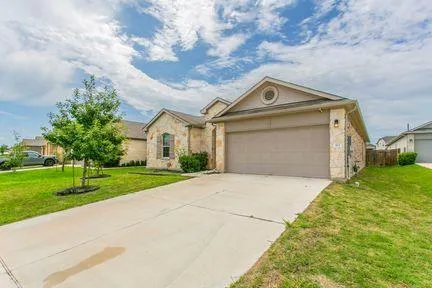
How to Price Your Home in Austin Texas: 2026 Market Guide for Sellers
Table of Contents
- Understand the Austin Market in 2026
- Gather Recent Comparable Sales Data
- Analyze Your Location and Neighborhood Factors
- Assess Your Property's Condition and Upgrades
- Calculate Price Per Square Foot
- Get a Professional Appraisal
- List Price Strategy and Positioning
- Common Pricing Mistakes to Avoid
- Timeline: How Market Shifts Affect Your Price
- Work With an Experienced Austin Realtor
- Frequently Asked Questions
- Ready to Price and Sell Your Home
Understand the Austin Market in 2026
Pricing your home correctly starts with understanding where the Austin market stands right now. The Austin real estate landscape in 2026 reflects a shift from the surge-and-scarcity conditions of prior years toward a more balanced buyer-seller dynamic. This means your pricing strategy must be precise—overpricing loses buyers, underpricing leaves equity on the table.
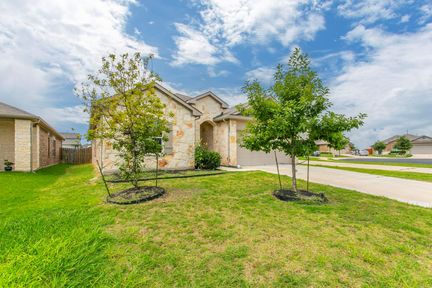
Austin's population growth, tech-sector employment, and lifestyle appeal continue to drive demand, but buyer competition is less ferocious than in 2024–2025. Mortgage rates have stabilized, and serious buyers are now more selective. Your Austin TX Real Estate Market 2026 benchmark matters: neighborhoods in central Austin, South Austin, and emerging areas like East Austin command different pricing floors than suburbs like Pflugerville or Dripping Springs.
Key market realities for 2026:
- Days on market vary widely by neighborhood and price point—luxury homes (over $1.5M) may take 60–90 days; mid-range homes (400K–800K) typically sell in 20–35 days.
- Buyer financing matters: jumbo loans, portfolio products, and cash offers carry different negotiating power depending on price tier.
- Seasonal demand persists; spring and early fall remain the strongest selling seasons in Austin.
- Tax assessments and property values do not always align—a recent county reassessment may show your home's value lower or higher than market reality.
Gather Recent Comparable Sales Data
The foundation of any accurate home valuation is a Comparative Market Analysis (CMA)—a side-by-side study of recently sold homes similar to yours. This is the single most important step in pricing.
What makes a home "comparable" to yours:
- Location: Same neighborhood or within 0.25 miles (walkable proximity).
- Square footage: Within 200–400 sq ft of your home.
- Bedrooms and bathrooms: Identical or within one bed/bath.
- Year built and construction quality: Same era (within 5–10 years) and similar materials.
- Lot size: Similar acreage or lot dimensions.
- Recent sale date: Sold within the past 90 days for maximum relevance.
Most Austin realtors pull CMAs using MLS (Multiple Listing Service) data, which is the most reliable source for closed transactions. Online estimate tools (like Zillow or Redfin) can offer rough starting points, but they often miss local nuance and recent market shifts. A professional CMA run by an Austin realtor will include sold prices, list prices, days on market, and seller concessions—information that tells you how aggressively (or conservatively) to price.
Red flags in CMA data:
- Cash sales that are far below market (often distressed or investor flips)—exclude these from your main analysis.
- Sales of foreclosed homes or short sales, which may not reflect true market value.
- Homes that needed significant repairs or had undisclosed issues; ask your realtor to identify these.
- Vacant land or new construction; use caution comparing these to resale homes.
Analyze Your Location and Neighborhood Factors
Not all Austin neighborhoods are created equal, and location premiums can range from 5% to 50% depending on walkability, school ratings, proximity to tech corridors, and amenities.
Factors that boost Austin home values:
- Proximity to downtown, tech hubs (Domain, downtown), or major employment centers: Homes within 3–5 miles of the Domain or downtown corridor typically command a 10–20% premium over suburban equivalents.
- School district ratings: Homes in AISD (Austin Independent School District) zones with top-rated schools (Zilker, Barton Hills area) or strong secondary schools (Anderson, Westlake) hold their value better and attract family buyers.
- Walkability and mixed-use neighborhood character: South Congress, Mueller, Zilker, and emerging neighborhoods like East Austin score high on Walk Score and attract younger professionals and families.
- Access to parks, trails, and water features: Proximity to Lady Bird Lake, Barton Springs, or greenbelts adds significant value—especially in a hot, dry climate.
- Historic charm and established mature trees: Older neighborhoods with large lot sizes and heritage oaks (like Rosedale or Hyde Park) appeal to buyers seeking character.
- New development and amenities: Newer suburban areas with HOA amenities, resort-style pools, and modern conveniences attract specific buyer profiles.
Browse the Austin Texas Neighborhood Guide to understand how your specific neighborhood stacks up against comparable areas. If you're in a premium neighborhood (Zilker, Westlake, Lost Creek, The Domain), your pricing floor should reflect that premium. If you're in an up-and-coming area, be realistic about appreciation but also aware of recent investment and buyer interest.
Assess Your Property's Condition and Upgrades
Two homes in the same neighborhood with the same square footage and lot size can have vastly different values based on condition and finishes. In Austin's 2026 market, buyers are willing to pay premiums for homes that require no immediate work.
High-ROI upgrades and finishes that justify higher pricing:
- Recent roof replacement (within 10 years): +3–5% to asking price. Buyers fear roof costs.
- Modern HVAC system (within 5–7 years): +2–4%. Critical in Austin heat.
- Updated electrical panel and rewiring: +2–3%. Especially important for homes built before 1980.
- Granite, quartz, or high-end countertops: +3–5% if kitchen is otherwise modern.
- Stainless steel or high-end appliances: +2–4% if rest of kitchen is updated.
- Hardwood or luxury vinyl flooring (vs. carpet or original tiles): +3–5%.
- Updated bathrooms with modern fixtures: +2–4% per upgraded bath.
- Energy-efficient windows and doors: +2–3%. Austin summers demand good insulation.
- Smart home features (Nest, Tesla Powerwall, solar panels): +3–8%. Millennial and Gen-X buyers are willing to pay for energy savings and automation.
- Outdoor living (patio, deck, fire pit, pool): +3–8%. Austin's year-round outdoor culture makes this valuable.
Conversely, deferred maintenance or outdated finishes reduce your pricing power. If your home has original single-pane windows, an old roof, or a 1970s kitchen, plan to price 5–10% below comps, or invest in key upgrades before selling.
Calculate Price Per Square Foot
A quick sanity check on your pricing is to calculate the price per square foot ($/sqft) of recent comparable sales and apply that metric to your home.
How to calculate: Sale price ÷ total square footage = price per square foot.
For example, if a comparable home sold for $650,000 and is 2,500 sqft, that's $260/sqft. If your home is 2,500 sqft and in the same neighborhood, a reasonable list price would be in the $625,000–$675,000 range, depending on condition.
Austin 2026 price-per-sqft benchmarks (approximate):
- Central Austin (Zilker, West Lake Hills, Westlake, Lost Creek): $350–$550/sqft.
- South Austin and South Congress areas: $300–$450/sqft.
- North Austin and Domain area: $280–$400/sqft.
- East Austin (emerging neighborhoods): $250–$400/sqft.
- Suburban areas (Pflugerville, Dripping Springs, Bee Cave): $220–$350/sqft.
- Luxury homes (over $1.5M) in premier neighborhoods: $400–$700+/sqft.
This metric is a rough guide, not a rule. Condition, age, lot size, and unique features can push homes above or below these ranges. But if your proposed list price is significantly higher than the $/sqft of recent comps, be prepared to justify it with superior condition, recent renovations, or exceptional views.
Get a Professional Appraisal
A professional appraisal by a licensed Texas appraiser is different from a CMA. An appraisal is an official valuation used by lenders, whereas a CMA is a realtor's market opinion. However, getting a pre-listing appraisal can prevent surprises later—especially if a buyer's lender orders an appraisal that comes in low.
A professional appraisal typically costs $400–$700 in Austin and takes 7–10 days. The appraiser will inspect your home inside and out, measure square footage, assess condition, and compare to recent sales. The result is a detailed report with a final value opinion.
Why a pre-listing appraisal is smart:
- It gives you confidence in your list price before you commit to the market.
- If the appraisal is higher than your proposed price, you have leverage to list higher or negotiate better offers.
- If the appraisal is lower, you can adjust expectations now rather than face a failed sale due to a buyer's appraisal shortfall.
- You can address any obvious issues the appraiser flags before putting your home on the market.
If a buyer's appraisal does come in low during the transaction, understand your options. Read more in our guide on Austin Texas Home Appraisal Low: What to Do—it covers renegotiation, appraisal disputes, and pricing adjustments.
List Price Strategy and Positioning
Once you've gathered data, there are three main pricing strategies. Your realtor will recommend one based on market conditions and your goals.
1. Market-Value Pricing (Conservative, Recommended for 2026)
List at or slightly below (1–3%) the average price per square foot of recent comps. This attracts multiple offers quickly, builds momentum, and can lead to a bidding war that pushes your final sale price above list. In a balanced 2026 market, this often yields the best result.
2. Premium Pricing (Aggressive)
List 5–10% above recent comps, betting that your home's unique features or exceptional condition justify the premium. This works only if you have clear differentiators (e.g., a recently renovated luxury home in a top neighborhood, stunning views, or highly desirable lot size). Risk: your home sits longer, and buyers perceive it as overpriced.
3. Below-Market Pricing (Creative)
Deliberately list below comps to generate urgency, attract more showings, and spark competitive offers. This can work if you're confident in your home's appeal and need a fast sale. It can backfire if buyers question why the price is low.
2026 best practice: List at the high end of market value (top 10–15% of comparable sales) to attract serious buyers and allow room for negotiation without underselling. Avoid pricing so high that you shock the market; doing so signals desperation if you later reduce the price.
Common Pricing Mistakes to Avoid
Even experienced sellers make pricing errors. Here are the most common pitfalls in the Austin market:
1. Anchoring on Your Purchase Price or What You Owe — Your home is worth what the market will pay today, not what you paid five years ago or what your mortgage balance is. If you bought at the market peak or put down a small down payment, your emotional attachment to the sale price won't influence buyer behavior.
2. Ignoring Recent Market Shifts — Pricing based on sales from 6–12 months ago ignores seasonal and economic changes. Always use the most recent 60–90 days of sales data.
3. Over-Relying on Online Estimates — Zillow, Redfin, and Realtor.com estimates are algorithmic guesses, not professional appraisals. They often miss local context, recent upgrades, and condition nuances. Use them as a reference, not gospel.
4. Not Accounting for Seasonal Demand — Listing in January or December typically means fewer buyers in market and longer days to sell. If possible, list in spring (March–May) or early fall (August–September). If you must list off-season, price slightly lower to compensate for reduced buyer volume.
5. Underestimating Repairs or Deferred Maintenance — If your home has a failing HVAC, old roof, or outdated plumbing, buyers will get inspections and renegotiate. Price conservatively to account for likely repair requests, or invest in fixes upfront.
6. Pricing Based on List Price Instead of Sale Price — Your comparable sales data should reflect final sale prices, not list prices. Some homes sell well above list; others sit and drop. Use closed sale prices only.
7. Forgetting About Market Days (Absorption Rate) — If homes in your neighborhood are selling in 15 days on average, you can price more competitively. If the average is 45+ days, price more conservatively to stand out.
Timeline: How Market Shifts Affect Your Price
The Austin market moves. Understanding the rhythm of shifts helps you time your listing and adjust pricing accordingly.
Spring and Early Summer (March–June): Peak buying season. Largest buyer pool, more competition between homes, and homes typically sell faster. You can price closer to top comps or even slightly above if your home shows well.
Mid-to-Late Summer (July–August): Slower. Families are on vacation, and heat discourages showings. Price 2–3% below spring comp averages to attract motivated buyers. Home inspectors are often booked (which slows transactions), so expect longer closing timelines.
Fall (September–October): Secondary peak. Back-to-school and pre-holiday buying. Price competitively; this is your last strong window before winter slowdown.
Winter (November–February): Slowest season. Fewer showings, fewer offers, longer days on market. Serious winter buyers are highly motivated (job relocation, divorce, estate sale), so price 3–5% below spring average to compete effectively.
Understand that the Best Time to Buy a Home in Austin Texas from a buyer's perspective is often the inverse of the best time to sell. Buyers have leverage in winter; sellers have leverage in spring.
Work With an Experienced Austin Realtor
Pricing your home is not a solo task. An experienced Austin realtor brings market intelligence, access to MLS data, and negotiating expertise that you cannot replicate alone.
What a good realtor provides:
- A detailed, neighborhood-specific CMA with 8–15 recent comparable sales.
- Analysis of market trends, days on market, and absorption rates in your area.
- Advice on upgrades or repairs that would increase value before listing.
- Pricing strategy tailored to your timeline and goals.
- Professional photography, virtual tours, and marketing to attract serious buyers.
- Negotiation expertise to help you navigate offers and counteroffers.
- Guidance on Austin Texas Seller Concessions Explained—when and how to offer concessions to close deals.
When interviewing realtors, ask to see their recent CMAs for homes like yours. A thorough CMA is a hallmark of a professional who takes pricing seriously. Be wary of realtors who promise a specific sale price—no one can guarantee that. Instead, look for one who provides data-backed reasoning for their recommended price range.
Frequently Asked Questions
Should I price my Austin home higher to leave room for negotiation?
Not necessarily. Overpricing to leave negotiating room often backfires. Buyers and their agents quickly spot inflated list prices, which signals desperation when you later reduce the price. Instead, list at or slightly below true market value and let competitive buyer interest push the final price up. In a balanced market like 2026, this strategy typically yields better results than a high list price followed by reductions.
How do I account for my recent renovations when pricing?
Recent renovations (kitchen, bathroom, roof, HVAC, flooring) should add 2–8% to your base comp price, depending on quality and scope. However, not all renovations return 100% of investment. A $50,000 kitchen remodel might add only $40,000 in value. Have your realtor adjust the comparable prices upward by 2–5% per major recent upgrade, or use the price-per-sqft method and compare against similarly upgraded homes in your neighborhood.
What if my home's appraisal comes in lower than my list price?
If a buyer's appraisal is low, you have several options: (1) renegotiate the sale price down to the appraisal value, (2) challenge the appraisal if you believe it's incorrect (common in Austin's changing market), (3) allow the buyer to pay the difference in cash (if they have it), or (4) walk away and re-list. To avoid this scenario, get a pre-listing appraisal. Read Austin Texas Home Appraisal Low: What to Do for in-depth strategies.
How do I price a home in an up-and-coming neighborhood like East Austin?
Up-and-coming neighborhoods offer opportunity but require careful pricing. Use recent sales of comparable homes in that neighborhood (not prices from more established areas), account for any recent commercial development or infrastructure improvements, and price toward the higher end of your neighborhood comps if your home is well-maintained. Buyers in emerging neighborhoods often see long-term appreciation potential, but they are also risk-aware, so condition matters more than in established neighborhoods.
Can I use Zillow's Zestimate as my list price?
No. Zestimates, Redfin estimates, and other online tools are algorithmic and often miss local context, recent sales, condition, and neighborhood nuance. They can be off by 5–20%, especially in fast-moving markets like Austin. Always cross-reference with a professional CMA from a realtor and, ideally, a pre-listing appraisal. Use online estimates as a ballpark starting point only, not your final pricing decision.
How much should I reduce my list price if my home sits unsold for 30+ days?
After 30 days on market without an offer, your home is signaling a pricing problem. Reduce your price by 2–3% first. If you get no traction after another 14 days, reduce another 2–3%. Cumulative reductions of 5–8% after 45 days on market are common in slower seasons. However, before reducing price, ask your realtor if the issue is pricing or marketing (poor photos, limited showings, marketing reach). Sometimes a price cut plus an active marketing refresh works best.
Ready to Price and Sell Your Home
Pricing your Austin home correctly is the single most important step toward a fast, profitable sale. By gathering CMA data, analyzing your neighborhood, assessing your home's condition, and working with an experienced realtor, you'll set a price that attracts serious buyers and maximizes your equity.
The Austin market in 2026 rewards sellers who price realistically and market professionally. Overpriced homes sit; underpriced homes sell quickly but leave money on the table. Find the sweet spot—and your realtor is your best guide.
Start your journey today. Review the Austin TX Real Estate Market 2026 trends to ground yourself in current conditions, then connect with a local Austin realtor who can provide a detailed CMA and pricing recommendation tailored to your home, neighborhood, and timeline.
Have questions about the sale process after pricing? Explore our guides on Selling a Home in Austin Texas: Tips for 2025, Austin Texas Home Closing Process Explained, and Austin Texas Real Estate Capital Gains Tax Guide to prepare for every stage of your sale.
Ready to move forward? Contact Jessica Cheatham, an experienced Austin realtor, for a free home valuation and detailed market analysis. With local expertise and a data-driven approach, Jessica helps sellers in Austin and surrounding areas price with confidence and sell fast. Call 737-238-1866 or reach out today to get started.