
Austin Texas Home Valuation: Expert Guide to Pricing Your Property in 2026
Index: Austin Texas Home Valuation Guide
- What Is Home Valuation & Why It Matters in Austin
- Appraisal vs. Market Valuation: Key Differences
- Three Main Appraisal Methods Explained
- Using Comparable Sales (Comps) to Value Your Home
- Austin Market Factors That Impact Home Value
- Location & Neighborhood Impact on Valuation
- Home Condition, Updates & Improvements
- Online Valuation Tools: When to Trust Them
- Common Valuation Errors & How to Dispute Them
- Getting a Professional Appraisal in Austin
- Valuation Timeline for Sellers & Buyers
- Frequently Asked Questions
- Ready to Value Your Austin Home?
What Is Home Valuation & Why It Matters in Austin
Home valuation is an expert estimate of what your property is worth on the current market. Unlike appraisals, which are formal documents required for mortgage lending, a valuation gives you a realistic price range based on data-driven analysis. In Austin's fast-moving market in 2026, understanding your home's true value is critical whether you're selling, refinancing, or simply staying informed about your net worth.
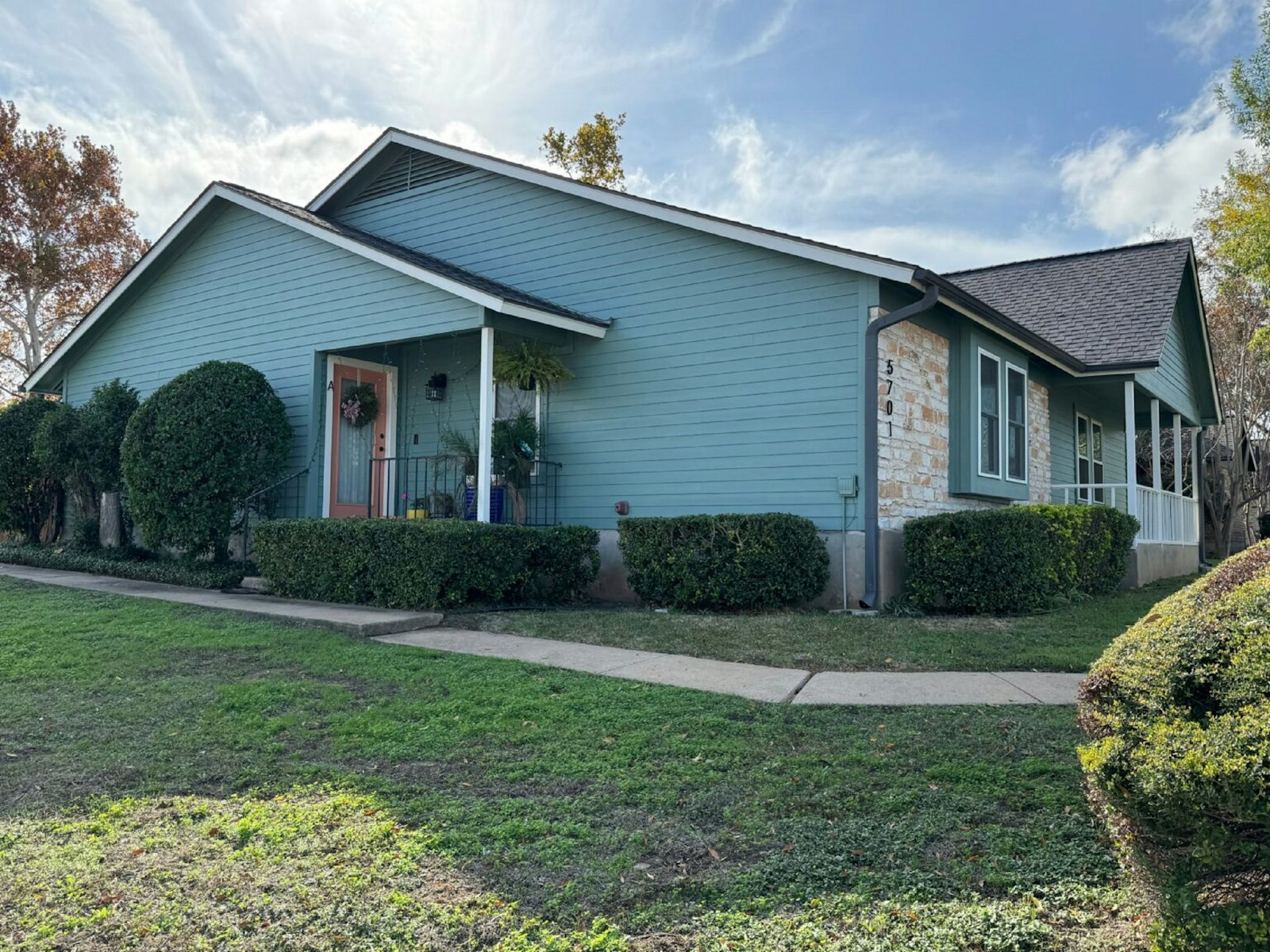
A proper valuation protects you from underpricing (leaving money on the table) or overpricing (pricing yourself out of buyer interest). For sellers, it's the foundation of a smart listing strategy. For buyers, it ensures you're not paying more than market value for a property. For owners planning estate or divorce settlements, an accurate valuation prevents costly disputes.
The Austin market—influenced by migration, tech employment, urban sprawl, and inventory fluctuations—makes professional valuation especially important. A property's value can shift significantly in six months depending on neighborhood trends, interest rates, and local development.
Appraisal vs. Market Valuation: Key Differences
Appraisal and valuation are often confused, but they serve different purposes. An appraisal is an official assessment ordered by a lender, performed by a licensed appraiser, and documented in a formal report. It determines the property's value for mortgage purposes and must meet Uniform Standards of Professional Appraisal Practice (USPAP).
A market valuation (also called a market analysis or comparative market analysis—CMA) is a broader estimate of what a home should sell for in the open market. Realtors prepare CMAs for listing decisions; real-estate attorneys use them in divorce settlements; homeowners consult them before refinancing.
- Appraisal: lender-ordered, licensed appraiser, formal legal document, required for mortgage approval
- Market Valuation: market-driven, realtor or agent, informal estimate, used for pricing & negotiation strategy
- Automated Valuation Model (AVM): algorithm-based estimate, fast but less reliable, useful for ballpark figures
For sellers in Austin, a realtor's market valuation is your starting point. Once an offer is accepted and the buyer's lender orders an appraisal, the appraiser's opinion carries legal weight. If the appraisal is lower than your contract price, you may need to renegotiate or make up the difference yourself.
Three Main Appraisal Methods Explained
Professional appraisers use three core approaches to estimate property value. Most appraisals lean on one or more of these methods depending on the property type and available data.
1. Sales Comparison Approach (Market Comparison)
This is the most common method for single-family residential properties in Austin. The appraiser identifies 3–5 recently sold comparable homes (comps) in the same neighborhood or similar areas. They adjust for differences in square footage, lot size, condition, age, upgrades, and features to derive a final value estimate.
For example, if your 3-bedroom, 2-bath home is being compared to a comp that sold for $450,000 but the comp has an updated kitchen worth $20,000 and your home doesn't, the appraiser may adjust your value downward. This method is especially reliable in Austin's active market where comparable sales data is abundant.
2. Cost Approach
The cost approach estimates what it would cost to rebuild the home from scratch, plus land value, minus physical deterioration. Appraisers use construction cost databases and adjust for local labor and material prices. This method is useful for new construction, special-purpose properties, or areas with few recent sales.
The formula is simple: Land Value + (Replacement Cost of Building − Depreciation) = Property Value. In Austin, rising land values can sometimes make cost-approach estimates lower than market sales, especially in established neighborhoods where older homes sit on valuable acreage.
3. Income Approach
The income approach applies to investment properties, duplexes, and rental homes. The appraiser estimates the property's annual net operating income (rent minus operating expenses) and capitalizes it using a market-derived capitalization rate (cap rate). This method reflects the property's income-generating potential rather than just comparable sales.
Investors use cap-rate formulas to quickly evaluate whether an Austin rental or investment property valuation makes sense. A property with higher net income commands a higher value under the income approach.
Using Comparable Sales (Comps) to Value Your Home
Comparable sales (comps) are the backbone of most residential valuations in Austin. A realtor or appraiser pulls recent closed sales of similar homes and uses them to estimate your property's value. The selection and adjustment of comps directly impacts your final valuation, so understanding how they work is essential.
How to Select Valid Comps
- Same neighborhood or adjacent area: comps should be within 1–2 miles of your property, ideally in the same school district and zip code
- Recent sales: closed within the last 90 days (or as recent as possible in slower markets); older sales are less reliable
- Similar size & age: homes within 10–20% of your square footage and built within 10–15 years of your home
- Same property type: don't compare a single-family home to a condo or townhome unless there's no alternative
- Market conditions: if the market has shifted significantly since a comp's sale, adjust for changing interest rates, inventory, or local economic factors
Adjustment Process
Once you've identified 3–5 solid comps, appraisers adjust each comp's sale price for differences from your subject property. Common adjustments include:
- Square footage (price per sq ft)
- Lot size (especially important in Austin where land value is rising)
- Age and condition
- Number of bedrooms, bathrooms, garage spaces
- Kitchen and bathroom upgrades
- Pool, deck, or outdoor features
- Roof age & HVAC condition
- Energy efficiency (solar panels, insulation)
- Views (Hill Country views command premiums)
For example, if a comp sold at $425,000 but had granite counters and your home has laminate, the appraiser might subtract $5,000. Conversely, if your home has a newer roof valued at $8,000 more than a comp, you add $8,000 to that comp's adjusted value. After adjusting all comps, the final value estimate is typically a weighted average or a range.
Austin Market Factors That Impact Home Value
Beyond comps and property features, broader economic and local factors shape valuations in Austin. In 2026, several forces are reshaping what homes are worth:
Interest Rates & Buyer Purchasing Power
Mortgage rates directly affect how much buyers can afford. When rates climb, buyer demand softens, and home prices can stagnate or decline. Conversely, when rates drop, competition heats up and prices rise. Appraisers monitor current rates to assess whether comps' sale prices reflect today's lending environment or an older, different market.
Inventory & Days on Market
Low inventory drives competition and higher prices; high inventory favors buyers, pushing prices down. Austin's inventory in 2026 reflects migration patterns, new construction pipeline, and seasonal rhythms. Properties in hot neighborhoods may appraise higher because multiple offers are typical; properties in slower areas may appraise lower.
Job Market & Economic Growth
Austin's tech and startup scene fuels demand. Layoffs or tech slowdowns can dampen valuations; strong hiring can boost them. Corporate relocations to the Austin area also influence neighborhood desirability and property values.
New Construction & Development
New subdivisions, shopping centers, or transit projects can raise or lower surrounding property values. A new commuter rail stop might increase values nearby; a industrial facility might depress them. Appraisers track zoning changes and planned development.
Market Shift: Buyer's vs. Seller's Market
In a seller's market (more buyers than homes), prices climb and appraisals often hit or exceed purchase price. In a buyer's market (more homes than buyers), appraisals can come in below contract price. The Austin real estate market in 2026 is a mixed picture—some neighborhoods are competitive, others softer—making valuation more nuanced than ever.
Location & Neighborhood Impact on Valuation
In Austin, location is paramount. A home's value is heavily influenced by its neighborhood's desirability, schools, amenities, and growth trajectory. Two homes of identical size and condition can differ by $100,000+ based solely on location.
School District Quality
Austin ISD and surrounding districts (Eanes, Pflugerville, Round Rock) significantly affect home values. Homes in highly-rated school zones command premiums, even if buyers have no children. A newly-zoned school closure or poor accountability ratings can depress valuations; an award-winning campus can boost them.
Walkability & Urban vs. Suburban Character
Urban neighborhoods (Downtown Austin, East Austin, Mueller) attract different buyers than suburban areas (Lakeway, Spicewood). Urban homes typically have smaller lots but higher density and walkability; suburban homes offer space and car-friendly design. Appraisers adjust values based on each neighborhood's character and buyer demographics.
Commute Distance & Transportation
Proximity to major employers (downtown tech corridor, Domain, Apple's North Austin campus) influences value. Shorter commutes to job centers are worth a premium. Conversely, far-north or far-south locations may appraise lower unless they offer exceptional amenities or new construction.
Neighborhood Trends & Future Growth
Some Austin neighborhoods are gentrifying and appreciating rapidly; others are stable; some are declining. Appraisers consider neighborhood quality trends, property appreciation history, and future development plans. A neighborhood on the upswing may have higher valuations than comps from two years ago suggest.
Amenities & Community Features
Homes near parks, trails, lakes, country clubs, or shopping enjoy higher valuations. Proximity to negative features (airports, highways, power lines, manufacturing) can lower values. Austin's parks, Lady Bird Lake access, and trail systems add value to nearby properties.
Home Condition, Updates & Improvements
A home's physical condition and the quality of recent updates directly shape its appraisal value. Appraisers inspect the roof, HVAC, plumbing, electrical, foundation, and interior finishes to assess condition and identify needed repairs or replacements.
What Adds Value (And What Doesn't)
- Kitchen updates: new cabinets, counters, appliances—typically return 50–80% of investment in resale value
- Bathroom renovations: updated fixtures, tile, lighting—return 40–70%
- Roof & HVAC replacement: necessary for appraisal; adds value mainly by removing a liability
- Energy-efficient upgrades: solar panels, heat pumps, insulation—add value, especially in Austin's heat
- Flooring: hardwood is preferred; laminate or worn carpet lowers value
- Paint & curb appeal: fresh paint is inexpensive and adds perceived value
- Pools & outdoor features: increase value in Austin but also increase maintenance liability and insurance costs
- Room additions: add square footage and value if properly permitted and built to code
- Luxury finishes in modest neighborhoods: may not return full investment if the home stands out too much
Deferred Maintenance & Repairs
Appraisers note any deferred maintenance: leaky roof, old AC unit, cracked foundation, outdated electrical, etc. Major repairs required before loan approval will be flagged, and the appraisal value may be reduced to account for replacement costs. If you're selling, completing major repairs before appraisal can result in a higher final valuation.
Home Staging Impact on Valuation
While home staging tips improve buyer perception and may lead to multiple offers, formal appraisals are not directly influenced by staging. However, a well-maintained, clean home appraises better than a neglected one. Appraisers assess actual condition; a beautifully staged home that masks structural issues won't appraise higher.
Online Valuation Tools: When to Trust Them
Zillow Zestimate, Redfin Estimate, Chase Home Value Explorer, and similar online tools provide quick, free valuations. They're convenient for a ballpark figure, but they have significant limitations in Austin's diverse and rapidly changing market.
How Online Valuations Work
Automated valuation models (AVMs) use algorithms that analyze public property records, recent sales data, tax assessments, and listing information. They pull comparable sales and adjust values using statistical models. Because they're fully automated, they update frequently (sometimes daily) and cost nothing.
Limitations & Pitfalls
- Data lag: AVMs may miss very recent sales or new listings, leading to stale estimates
- Inaccurate comps: the algorithm might compare your home to properties that aren't truly comparable (different neighborhood, property type, or condition)
- Missing custom features: pools, solar panels, recent renovations, and unique lot characteristics may not be fully weighted
- Market volatility: in fast-moving Austin neighborhoods, a month-old estimate can be significantly off
- Non-distressed sales only: foreclosures, short sales, and estate liquidations distort averages and aren't always excluded
- No professional judgment: an algorithm can't assess a home's condition, deferred maintenance, or subtle neighborhood factors that a human appraiser would catch
Use online tools for a quick reference, but don't rely on them for major decisions like pricing, refinancing, or insurance. They're best treated as one data point among many.
Common Valuation Errors & How to Dispute Them
Appraisers are professionals, but errors do happen. If you believe your home's appraisal is inaccurate, you have options to challenge it.
Common Appraisal Errors
- Wrong comparable sales: appraiser selected comps that aren't truly comparable (different neighborhood, property type, or condition)
- Missed recent upgrades: new roof, HVAC, kitchen renovation not noted or undervalued
- Inaccurate property data: square footage, lot size, bedroom/bathroom count wrong in MLS or appraisal report
- Market-condition errors: appraiser failed to account for shifting interest rates, inventory changes, or recent market shift
- Condition assessment errors: home marked as "poor" when it's actually "good"; major system life estimates off
- Adjustment errors: math mistakes in comp adjustments or failing to adjust for significant differences
How to Dispute an Appraisal
- Request the full appraisal report: review it carefully for factual errors (square footage, beds/baths, roof age, etc.)
- Gather supporting documentation: recent receipts for upgrades, inspection reports, photos, and a list of comparable homes you believe are better matches
- Prepare a written rebuttal: submit a document to your lender (not the appraiser) highlighting errors and providing evidence of superior comps or missed upgrades
- Request a second appraisal: some lenders allow this if the first is significantly below contract price; you typically pay for the second appraisal
- Work with your realtor or attorney: they can guide the appeal process and may have industry connections to strengthen your case
- If all else fails: negotiate a lower purchase price with the buyer to match the lower appraisal, contribute the difference yourself, or walk away from the deal
If an appraisal comes in low and your sale is at risk, acting quickly is critical. If the appraisal comes in low, discuss options with your realtor immediately—you may have just 3–5 days to respond.
Getting a Professional Appraisal in Austin
If you're buying and financing, your lender orders the appraisal automatically. If you're a homeowner wanting a pre-listing valuation or refinancing estimate, you can order an appraisal yourself.
Steps to Order an Appraisal
- Choose an appraiser: ask your lender for a recommendation, or search the Texas Real Estate Commission (TREC) directory for licensed appraisers in Austin
- Provide property details: address, property type, square footage, lot size, year built, and any recent upgrades
- Schedule the inspection: appraisers typically complete inspections within 1–2 weeks; the appointment takes 1–2 hours
- Prepare your home: clean, accessible, and safe; have documentation of recent improvements (receipts, contractor reports, permits) ready to show the appraiser
- Review the final report: appraisers deliver reports within 5–7 business days; request clarification if anything seems incorrect
- Budget cost: appraisals in Austin typically cost $400–$700 depending on property size and complexity
What Appraisers Look For
During the inspection, appraisers evaluate:
- Exterior: roof condition, siding, foundation, landscaping, driveway
- Systems: HVAC, plumbing, electrical, water heater
- Interior: flooring, paint, fixtures, kitchen & bathrooms
- Overall condition: any signs of damage, deferred maintenance, or needed repairs
- Square footage (measured if not on record)
- Lot size and any unique features (pool, deck, shed, etc.)
- Neighborhood & location factors
Prepare by decluttering, unlocking all rooms, and having any recent improvement documentation available. Appraisers aren't influenced by cleanliness alone, but a well-maintained home appraises better than a neglected one.
Valuation Timeline for Sellers & Buyers
Understanding when valuations occur in the buying and selling process helps you plan and avoid surprises.
Seller Timeline (Pre-Listing)
- 3–6 months before listing: consult with a realtor for a complimentary market analysis (CMA) or commission a formal appraisal ($500–$700)
- 4–8 weeks before listing: use valuation data to set asking price and prepare home improvements if needed
- Listing day: price is set based on valuation, comps, and market strategy
Buyer Timeline (With Mortgage)
- Offer accepted: buyer's lender orders appraisal within 24–48 hours
- 1–2 weeks after offer: appraisal inspection occurs
- 5–7 days after inspection: appraisal report delivered to lender
- 10–14 days after offer: buyer & seller notified of appraisal results; if low, renegotiation or cancellation may occur
- Closing: typically 30–45 days after accepted offer; all appraisals must be complete
Refinancing Timeline
- Day 1: homeowner applies for refinance; lender orders appraisal
- 1–2 weeks: appraisal inspection & report
- 3–4 weeks: underwriting and closing prep
- 5–6 weeks: closing; funds disbursed
In Austin's competitive market, valuation timing is crucial. A low appraisal can derail a deal if discovered late. Buyers should be prepared to negotiate or increase their down payment if an appraisal gap emerges.
Frequently Asked Questions
How often does my home's value change in Austin?
Home values in Austin shift monthly based on new sales data, interest-rate changes, and neighborhood trends. A home listed in January at $450,000 might be worth $465,000 by summer if the market appreciates, or $440,000 if it cools. Most appraisers use the most recent 90 days of sales data; a change in market conditions (like a rate jump) can impact valuations significantly over 6–12 months.
Can I get a free home valuation in Austin?
Yes. Realtors offer complimentary market analyses (CMAs) as part of their listing service. Online tools like Zillow and Redfin provide free estimates. However, neither replaces a formal appraisal. Free estimates are helpful starting points but should be validated with additional research or a professional appraisal if making a major financial decision.
What's the difference between assessed value and appraised value?
Assessed value is determined by the Travis County Appraisal District (or your county assessor) for property tax purposes. Appraised value is an independent, market-based estimate for lending. Assessed value is often lower than market value and may not reflect recent improvements or market shifts. Check the City of Austin assessor data for your assessed value, but rely on an appraisal or CMA for your true market value.
How much does an appraisal cost, and who pays for it?
In Austin, appraisals typically cost $400–$700 depending on property size and complexity. For mortgages, the buyer's lender orders the appraisal, and the cost is rolled into closing costs (sometimes paid upfront). For a homeowner-ordered appraisal, you pay out of pocket. Some lenders offer "no-cost" appraisals by rolling the fee into the mortgage interest rate; others charge upfront. Ask your lender for pricing before committing.
What if the appraisal is higher than my purchase price?
Congratulations—you've negotiated a good deal. The lender approves the mortgage based on the higher appraised value. You don't gain extra cash from the appraisal overage, but your equity position is stronger from day one. This is more common in hot markets or when buying from a motivated seller.
Can I appeal an appraisal I disagree with?
Yes, you can request a review or rebuttal through your lender. Gather evidence: comparable sales you believe are more accurate, documentation of recent upgrades, and any factual errors in the appraisal. Some lenders allow a second appraisal for a fee if the first is significantly low. However, appraisers have professional judgment, and disagreement over valuation (vs. factual errors) is harder to overturn. If the appraisal affects your deal, consult your realtor or attorney quickly.
Does home staging affect my appraisal value?
Not directly. Appraisers assess actual condition and market value, not aesthetics. However, a well-maintained, clean home appraises better than a neglected one. Staging shows the home's potential to buyers (improving offers and negotiating position) but doesn't inflate the official appraisal. Focus on deferred maintenance and repairs before an appraisal; staging is for marketing to buyers.
Ready to Value Your Austin Home?
Whether you're preparing to sell, refinancing, or simply curious about your home's worth, a professional valuation is one of the most important decisions you'll make. In Austin's dynamic market, valuations shift with interest rates, inventory, and neighborhood trends. Don't rely on old estimates or online tools alone.
Start with a complimentary market analysis from a local realtor, then consider a formal appraisal if you need a defensible, detailed opinion. Understand how how to price your home in Austin Texas depends on comps, market conditions, and your home's unique features. If you're selling, pricing correctly from day one leads to faster sales and better offers. If you're buying and an appraisal gap emerges, negotiating early and understanding your options will protect your investment.
For Austin sellers and buyers navigating complex valuations, market swings, or appraisal disputes, professional guidance from a local realtor or real-estate attorney is invaluable. The difference between a correct valuation and an incorrect one can be tens of thousands of dollars. Invest the time to get it right.
Ready to list or refinance? Contact a local Austin realtor for a complimentary market analysis and personalized valuation strategy. Or if you're dealing with seller concessions, capital gains taxes, or other complex transaction details, consult with a real-estate attorney. Your home is likely your largest asset—make sure it's valued correctly.