Austin Texas Short-Term Rental Investment Guide: Markets, ROI & Regulations
Index
- Why Austin Is a Prime Short-Term Rental Market
- Austin STR Market Outlook for 2026
- Understanding Austin's Regulatory Landscape
- How to Select the Right Property for STR Investment
- Financial Analysis: Calculating ROI and Profitability
- Renovation and Furnishing Strategy
- Platform Selection and Pricing Strategy
- Management, Operations, and Guest Relations
- Tax Implications for Austin STR Owners
- Common STR Investment Mistakes (and How to Avoid Them)
- Financing Options and Capital Structure
- Scaling Your STR Portfolio in Central Texas
- Frequently Asked Questions
- Ready to Invest in Austin's STR Market?
Why Austin Is a Prime Short-Term Rental Market
Austin's short-term rental market has matured into one of the strongest in the nation. The city attracted over 36 million visitors in 2024, and that momentum continues through 2026. Tech sector job growth, musical festivals (SXSW, Austin City Limits), and the city's reputation as a lifestyle destination create consistent demand for vacation accommodations.
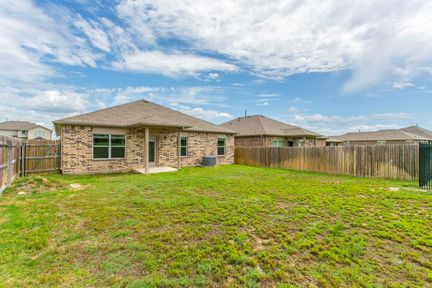
Unlike purely seasonal markets, Austin sees year-round visitation. Corporate relocations, family reunions, weddings, and business conferences fill properties across every season. This diversified demand stream reduces the income volatility that plagues other STR markets.
- Corporate travel: Tech companies headquartered or expanding in Austin drive weekday bookings.
- Event-driven demand: Major conferences and festivals create predictable peak periods.
- Lifestyle tourism: Austin's culture, food scene, and live-music venues draw leisure travelers year-round.
- Relocation support: Families relocating for jobs often rent short-term while house-hunting.
Austin STR Market Outlook for 2026
The Austin short-term rental market in 2026 reflects both maturity and selective opportunity. Saturation in core downtown and central neighborhoods has increased competition and compressed nightly rates. However, suburban and fringe properties—particularly in areas like Bee Cave and Dripping Springs—remain underserved and command premium pricing for the right properties.
According to the Austin TX Real Estate Market 2026 analysis, property values have plateaued after years of rapid appreciation. This creates a favorable entry point for investors: purchase prices are stabilizing while operational margins remain healthy in well-positioned properties.
- Average nightly rates (2026): Downtown/central: $200–$350; suburban/hill country: $150–$250; luxury properties: $400+.
- Occupancy trends: Well-managed properties maintain 65–75% annual occupancy; poorly managed or poorly located properties fall below 50%.
- Competition: The number of active STR listings peaked in 2024–2025; new listings have slowed as regulatory uncertainty and capital costs increased.
Understanding Austin's Regulatory Landscape
Austin's short-term rental regulations are among the strictest in the nation. In 2022, the city implemented a licensing cap and use restrictions that fundamentally reshaped the market. Understanding these rules is non-negotiable before purchasing any STR property.
Current licensing rules (as of 2026):
- Type 1 (Owner-occupied): Owner must live in the property as their primary residence for at least 75 nights per year. These permits are unlimited in number and carry fewer restrictions. Nightly rates and occupancy caps are higher than Type 2.
- Type 2 (Non-owner-occupied): The property is absentee-owned. Licensing is capped at approximately 1,750 permits citywide. These are the hardest to obtain and most expensive to license. Occupancy limits and quiet-hours enforcement are more stringent.
- Owner-occupied exemption: If you will live in the property as your primary residence and rent out additional bedrooms, you likely qualify for Type 1, which offers the most flexibility and value.
Before making an offer on any property for STR purposes, verify its address against the current City of Austin's official regulations or consult with a real-estate attorney familiar with STR licensing. The zoning rules change, and grandfathered properties can lose their eligibility if transferred or significantly modified.
How to Select the Right Property for STR Investment
Property selection is the single largest lever on your ROI. The wrong property in the wrong location will never pencil out, no matter how well you manage it. Use these filters to narrow your search.
Location Hierarchy
- Downtown/Central (most competitive): Higher nightly rates but extreme competition. Suitable only if you can offer unique amenities or positioning (e.g., rooftop, historic architecture). Expect lower margins.
- Near entertainment corridors (6th St, Rainey St, Congress Ave): Strong walk-able appeal; good for younger travelers and event-goers. Higher noise complaints and churn.
- Suburbs with access (South Austin, North Austin, East Austin gentrification zones): Lower property costs, solid bookings, fewer regulatory headaches. Best risk-adjusted returns.
- Hill Country (Bee Cave, Dripping Springs, Lake Travis area): Luxury niche; higher nightly rates; requires specific amenities (pool, views, outdoor space). Lower occupancy but higher revenue per booking.
Consult our Austin Texas Neighborhood Guide to understand neighborhood-level visitor appeal, demographic trends, and seasonality.
Property Type Evaluation
Single-family homes: Highest guest satisfaction; easier to market; attract families and groups. Larger renovation upfront cost; higher property taxes and insurance. Best for suburban/hill-country placements.
Condos and townhomes: Lower purchase price; shared amenities appeal to some guests; less regulatory friction in some areas. HOA rules may restrict STR activity; shared walls = noise complaints; less control over guest experience.
Accessory dwelling units (ADUs/cottages): Growing trend in Austin. Lower occupancy cap (often capped at 12 months/year) but lower acquisition cost. Verify zoning before purchase.
The 30-Minute Rule
Properties within 30 minutes of downtown, airport, and major convention centers outperform those farther out. Guests seeking Austin experiences prioritize walkable/drivable access to attractions. Austin-area properties on the periphery (beyond Pflugerville, beyond Lake Travis) struggle unless they offer unique amenities (resort pool, large acreage, views).
Financial Analysis: Calculating ROI and Profitability
Never buy an STR property on emotion. Model the financials rigorously before making an offer.
The Key Metrics
- Average Daily Rate (ADR): Your target nightly rate. Research comparable properties on booking platforms. Don't overestimate; compare apples to apples (size, amenities, location).
- Occupancy Rate: The percentage of nights your property is booked. Conservative estimate: 60–70% for well-managed properties; 40–50% for first-time owners or poor locations. Use historical data from comparable properties, not assumptions.
- Gross Revenue: ADR × Occupancy Rate × 365 days. Example: $200 ADR × 65% occupancy × 365 = $47,450 annual gross.
- Operating Expenses: Cleaning, supplies, utilities, property management, maintenance, insurance, licensing, platform fees (typically 3–5% of revenue). Budget 40–50% of gross revenue for all-in operating costs.
- Net Operating Income (NOI): Gross Revenue minus Operating Expenses. This is what's left to cover mortgage, taxes, and profit.
- Cap Rate: NOI ÷ Purchase Price. Example: $15,000 NOI ÷ $400,000 purchase price = 3.75% cap rate. (Austin STR cap rates: typically 4–6% depending on location and condition.)
Example Financial Model
- Property purchase price: $500,000
- Target ADR: $225 (suburban Austin location)
- Occupancy rate: 65%
- Gross annual revenue: $225 × 0.65 × 365 = $53,431
- Operating expenses (45% of gross): $24,044
- NOI: $29,387
- Cap rate: 5.9%
- Mortgage (assuming 25% down, 6.5% rate, 30 years): ~$26,000/year
- Profit after debt service: ~$3,400/year (plus equity paydown)
This model shows why many STR investors view the property primarily as a vehicle for capital gains tax implications rather than cash-on-cash return. The leverage and appreciation potential matter as much as annual operating profit.
Renovation and Furnishing Strategy
First-time STR owners often underestimate renovation and furnishing costs. A vacant property that is "barely ready" will underperform and damage your brand reputation.
Pre-Rental Checklist
- Inspections and repairs: HVAC, plumbing, electrical, roof, appliances. Budget $100–$200 per square foot for a major refresh on an older home.
- Cosmetic updates: Paint, flooring, lighting, fixtures. These drive guest perception more than structural items. Modern, clean, well-lit interiors command premium rates.
- Kitchen and bathrooms: Highest ROI areas. Upgrade to modern appliances, quality finishes, and ample storage. Guests evaluate kitchens and bathrooms first.
- Furnishings: Invest in durable, stylish, mid-range furniture (not budget, not ultra-luxury unless targeting luxury segment). Allow $10,000–$25,000 for a 3–4 bedroom home.
- Linens and small items: High-quality bedding, towels, cookware, and decor. $3,000–$5,000 for starter stock (account for theft/damage replacement).
- Smart home tech: Keyless entry (August lock or similar), smart thermostat, WiFi security cameras (disclosed), and app-controlled lighting appeal to modern guests and simplify check-in. $2,000–$4,000 for full setup.
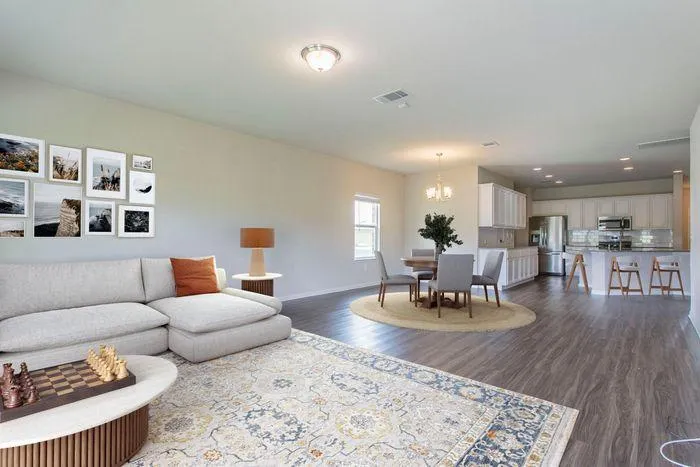
Design Aesthetic: Austin guests expect a blend of modern comfort and local character. Incorporate live-edge wood, metal accents, native plants, local art, and color palettes that reflect Hill Country or modern-urban Austin vibes—not generic corporate housing.
Platform Selection and Pricing Strategy
Your distribution strategy affects both occupancy and net revenue. Most successful Austin STR owners use multiple platforms to maximize visibility.
Platform Overview
- Airbnb: Dominant; highest volume; takes 3% host fee + platform fee. Best for mainstream travelers and all-comfort expectations.
- Vrbo (HomeAway): Growing; appeals to families and group bookings; ~8% commission but direct-booking potential. Slightly lower volume than Airbnb, but higher booking values.
- Booking.com: Strong for business travelers and international visitors; ~12–15% commission. Good supplementary channel; lower price sensitivity.
- Direct bookings (website/email list): Zero commission; repeat guest potential. Only viable once you have 50+ reviews and established reputation.
Pricing strategy (2026): Use dynamic pricing based on demand, events, and day-of-week. Austin has pronounced peaks (SXSW in March, ACL in October, summer weekends) and troughs (off-season weekdays). Charge 50–100% premiums during peak events; drop rates 20–30% during slow periods to maintain occupancy. Most professional hosts use automated pricing tools to adjust in real-time.
Management, Operations, and Guest Relations
An unmanaged or poorly managed property is a liability. You must decide: self-manage or hire a professional property manager?
Self-Management Considerations
- Pros: Save 25–35% in property-manager fees; maintain direct guest control; respond quickly to issues.
- Cons: 24/7 availability required; cleaning coordination; emergency repairs; guest disputes; regulatory compliance; significant time investment.
Self-management is viable for a single property if you're detail-oriented and live nearby. For multiple properties or if you have a full-time job, hire a manager.
Professional Property Management
- Cost: 25–35% of gross revenue (higher for non-owner-occupied Type 2 properties; lower for owner-occupied Type 1).
- Services included: Guest screening, check-in/out, cleaning, linens, maintenance coordination, guest support, and regulatory compliance documentation.
- Selection criteria: Ask about their experience with Austin's licensing rules, guest satisfaction scores, and turnover time between bookings. Check references.
Operational Best Practices
- Turnover time: Target 2–4 hours between checkout and next check-in. Hire a professional cleaning service; don't DIY.
- Guest communication: Automate check-in instructions, WiFi details, and house rules via booking platform. Respond to questions within 1 hour during business hours.
- Maintenance response: Aim for same-day response to guest-reported issues. Budget 5–8% of gross revenue for unexpected repairs (water heaters, AC failures, appliance breakdowns are common in heavy-use environments).
- Reviews and reputation: Respond professionally to all reviews (positive and negative). A 4.9+ rating is essential for competitive positioning.
- House rules enforcement: Be clear about quiet hours, guest capacity, and cancellation policy. Communicate breaches promptly; document violations for future decisions.
Tax Implications for Austin STR Owners
Short-term rental income is subject to federal income tax, self-employment tax (15.3%), Texas state property tax, and potentially Austin's short-term rental tax. Consult a CPA familiar with STR taxation, but understand these basics:
- Income tax: All rental income is taxable. You must file Schedule C (business profit/loss) or Schedule E (rental property) on your annual 1040.
- Depreciation benefit: Depreciable assets (building, furnishings, appliances) can be depreciated over their useful life, reducing your taxable income even if the property is cash-flow positive. This is the primary tax advantage of STR ownership.
- Deductible expenses: Mortgage interest, property taxes, insurance, utilities, cleaning, supplies, repairs, property management fees, and professional services (CPA, attorney) are all deductible.
- Austin STR tax: The city imposes a 0–2% tax on STR revenue (varies by area; Type 1 owner-occupied may be exempt; verify with the city).
- Capital gains: When you sell the property, long-term capital gains (held >1 year) are taxed at 0%, 15%, or 20% federally depending on your income bracket. See our guide on capital gains tax implications.
Work with a CPA to structure depreciation recapture and entity selection (LLC vs. individual ownership) to minimize tax burden. Many STR investors hold properties in an LLC or S-corp for liability isolation and tax flexibility.
Common STR Investment Mistakes (and How to Avoid Them)
Mistake 1: Overestimating occupancy. First-time owners assume 75–80% occupancy based on "best case" competitive comps. Reality: 55–70% is more typical, especially in year one. Model conservatively and add a 10% buffer to costs.
Mistake 2: Underestimating operating costs. Many investors forget pool maintenance, landscaping, pest control, frequent appliance replacement, and guest liability insurance. Budget 45–50% of gross revenue; anything less is optimistic.
Mistake 3: Ignoring Austin's regulatory changes. Licensing rules, occupancy limits, and zoning restrictions have tightened since 2022 and continue to evolve. Never assume a property's current status will remain unchanged. Build compliance costs and legal review into your underwriting.
Mistake 4: Choosing the wrong property location or type. A $400,000 property in a poor location will never command premium nightly rates. A Type 2 non-owner-occupied license is nearly impossible to secure in 2026; if you can't owner-occupy, avoid non-owner-occupied strategy.
Mistake 5: Skimping on initial renovation and furnishing. A "good enough" property underperforms for years. Guests compare your home to 50+ others on Airbnb; first impressions drive bookings and reviews. Invest upfront or accept lower occupancy and rates.
Mistake 6: Failing to account for vacancy and turnover time. Even fully booked, you have 1–2 days between guests for cleaning and restocking. Build this into occupancy calculations.
Financing Options and Capital Structure
STR financing is more complex than primary-residence mortgages. Lenders view STR properties as commercial investments and require higher down payments (25–40%) and higher interest rates.
Financing Options
- Conventional loan (STR-specific): 25–40% down; 6.5–7.5% interest rates; require proof of business plan and 12 months historical P&L. Available from specialized lenders and some regional banks.
- DSCR (Debt-Service-Coverage-Ratio) loan: Lender evaluates property's cash flow (NOI) rather than personal income. Typical DSCR: 1.2–1.25 (property must generate 1.2x the annual debt service). Rates: 7–8.5%. Good for investors with strong cash-flowing properties.
- Home equity line of credit (HELOC): If you own another home, tap its equity. Rates vary; typically prime + 1–3%. No income verification required; faster closing.
- Portfolio loans: Available from banks that hold loans in-house (not sold to secondary market). More flexible on credit/documentation; higher rates.
- Cash purchase: Strongest position; no mortgage risk; best ROI on positive cash flow. Requires significant capital; limits portfolio growth.
Most Austin STR investors use 25–30% down with a conventional or DSCR loan, targeting a 6.5–7% rate. The goal is to balance leverage (maximize purchasing power) against cash flow (ensure the property covers debt service).
Scaling Your STR Portfolio in Central Texas
One property is a hobby; three or more is a business. Scaling requires operational discipline and capital.
Scaling Playbook
- Perfect property #1: Invest heavily in your first property. Make it a 4.9+ review generator. Prove the model before expanding.
- Hire professional management: You can't manage multiple properties yourself. Hire a property manager for property #1 once property #2 is acquired.
- Diversify location/type: Don't buy all properties in one neighborhood. Geographic diversification smooths occupancy volatility (if downtown is slow, suburbs may be strong). Consider different property types (family homes, luxury, condos) to segment market demand.
- Reinvest cash flow: Use profits from property #1 to fuel down payments on properties #2 and #3. Most successful Austin STR investors bootstrap the portfolio over 5–7 years.
- Leverage partnerships: Consider joint ventures or syndication to access more capital. Bring in partners with complementary skills (finance, design, operations).
- Monitor regulatory compliance: As your portfolio grows, regulatory risk increases. Stay informed of Austin's licensing changes; budget for legal review annually.
Successful Austin STR portfolios in 2026 often include properties in acreage properties near Austin, suburban locations, and downtown/central pockets. This mix captures diverse guest segments: families seeking space, corporate travelers, and leisure tourists.
Frequently Asked Questions
What's the difference between Type 1 and Type 2 STR licenses in Austin?
Type 1 (owner-occupied) requires you to live in the property as your primary residence for at least 75 nights per year. These licenses are unlimited and less regulated. Type 2 (non-owner-occupied) has a citywide cap (~1,750 licenses) and is nearly impossible for new applicants to obtain as of 2026. Type 1 is vastly preferable from both a regulatory and financial perspective.
How much can I expect to earn from a short-term rental property in Austin?
Net operating income (before debt service) typically ranges from 5–12% of purchase price annually, depending on location, property condition, and management quality. A $500,000 property generating $30,000 in NOI represents a 6% yield. After mortgage payments, first-year cash-on-cash returns are often 2–5%; appreciation and depreciation tax benefits drive longer-term gains.
Can I buy an STR property with an investment mortgage if I don't live in Austin?
Yes, but only for Type 1 (owner-occupied) if you establish primary residency there, which most out-of-state investors don't do. Non-owner-occupied Type 2 licenses are capped and rarely available. Most out-of-state investors either live in the property part-time (satisfying Type 1 requirements) or avoid Austin's regulatory burden and invest in more open markets. If you're out-of-state, consult a local attorney before committing.
What's the typical property management fee in Austin, and is it worth it?
Professional property managers charge 25–35% of gross revenue. If your property generates $50,000/year, you'll pay $12,500–$17,500 to a manager. Most investors find this worthwhile because the manager handles licensing compliance, cleaning, maintenance coordination, and 24/7 guest support. Self-managing saves money but requires significant time and expertise, and often results in lower guest satisfaction and occupancy.
Are there neighborhoods in Austin where STR licensing is restricted or unavailable?
Yes. East Austin (portions), far North Austin, far South Austin, and some HOA-controlled communities either prohibit STR or limit it heavily. Always verify zoning and licensing eligibility before making an offer. Condo investments often face additional restrictions from HOAs. Check with the City of Austin zoning department and the property's HOA (if applicable) before committing.
What's the outlook for Austin's STR market in 2026 and beyond?
The market is maturing. Peak growth was 2019–2023; saturation in core areas means lower rates and higher competition for downtown properties. Suburban and hill-country properties remain underserved and outperform. Regulatory tightening continues (zoning restrictions, occupancy limits, tax enforcement). The best opportunities are owner-occupied Type 1 properties in accessible suburban/hill-country locations that can differentiate on amenities and experience. Oversaturated downtown markets are best avoided unless you have unique positioning.
Do I need to register my STR property or obtain any special licenses beyond the City of Austin's STR license?
You'll need the City of Austin STR Type 1 or Type 2 license (primary). You may also need a Texas short-term rental certificate of occupancy (verify with City), state tax identification number for rental income reporting, and potentially local business tax certificate depending on city policy. Consult the Texas Real Estate Commission and City of Austin Planning Department for the most current requirements.
Ready to Invest in Austin's STR Market?
Short-term rental investing in Austin offers strong fundamentals: consistent visitor demand, premium nightly rates, and an established market. Success requires rigorous financial analysis, regulatory compliance, and operational excellence. The properties that outperform are those in accessible suburban or hill-country locations, managed professionally, and positioned to offer guests a distinctive Austin experience.
If you're ready to explore STR investment opportunities, the first step is identifying the right property in the right location. Our Austin-area properties span neighborhoods from central Austin to outlying suburbs, and we can help you evaluate a property's STR investment potential before you make an offer.
Start by reviewing the Austin TX Real Estate Market 2026 analysis to understand current market conditions, then reach out to discuss your specific investment goals. We can help you underwrite opportunities, navigate licensing, and position your property for success in 2026 and beyond.