
Homes for Sale in Austin Texas: 2026 Buyer's Guide to Neighborhoods, Prices & Market Trends
Table of Contents
- Austin Housing Market Overview 2026
- Top Neighborhoods to Explore
- Price Ranges Across Austin Zones
- Types of Homes for Sale
- First-Time Buyer Resources
- Home Buying Timeline
- Inspections & Appraisals
- Moving to Austin: What Newcomers Need to Know
- Surrounding Areas Worth Considering
- Current Market Conditions for Buyers
- Next Steps: Start Your Search
- Frequently Asked Questions
Austin Housing Market Overview 2026
The Austin, Texas real estate market remains one of the most dynamic in the United States. As of 2026, Austin continues to attract homebuyers from across the country, driven by job growth, urban culture, natural beauty, and the region's overall quality of life. If you're searching for homes for sale in Austin Texas, understanding the current landscape is essential before making an offer.
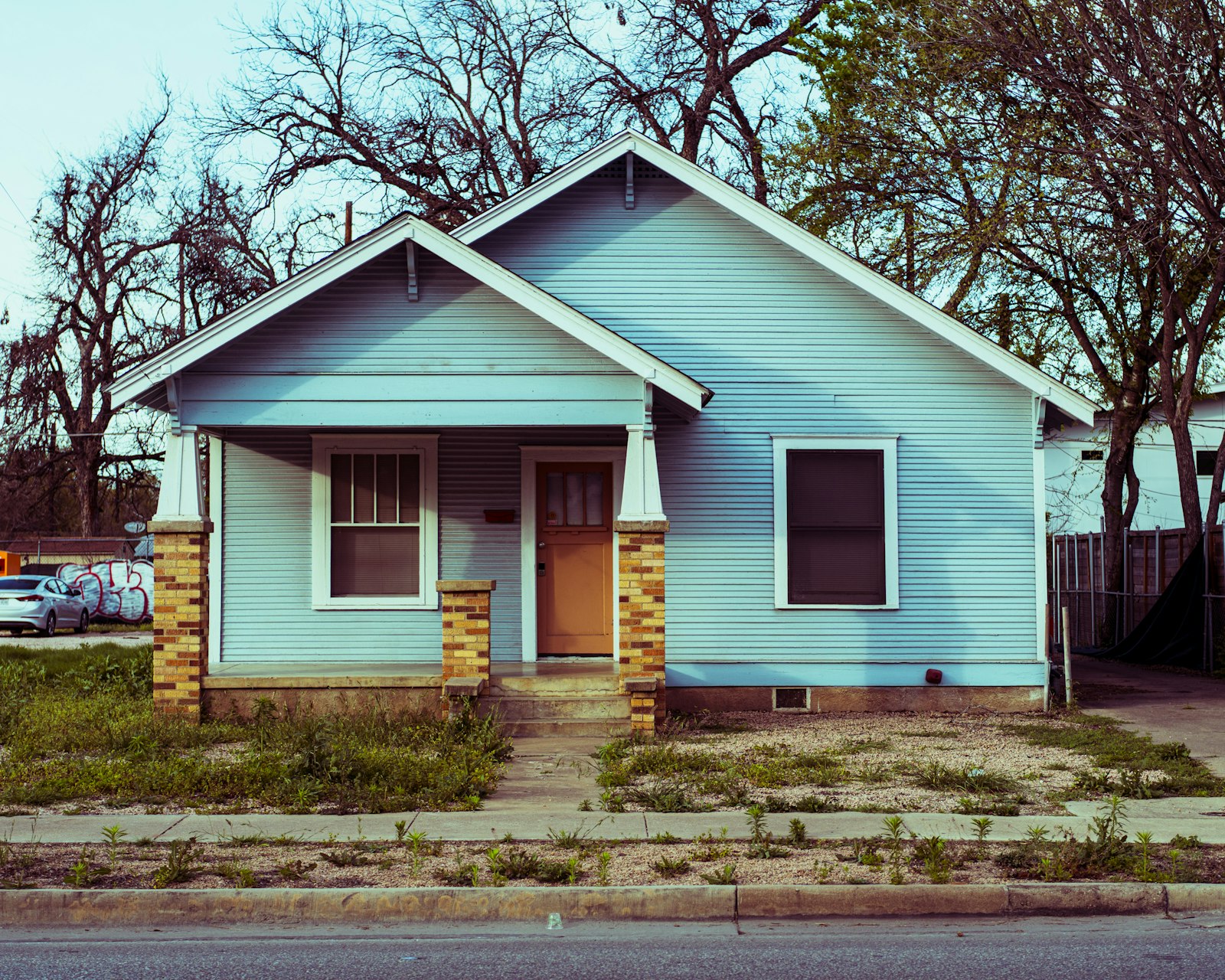
Austin's housing market has experienced steady appreciation over the past five years. Median home prices have climbed, but the market has also become more balanced compared to the ultra-competitive conditions of 2021–2023. Austin real estate market trends for 2026 show increased inventory in many areas, which benefits serious buyers willing to act.
The city's population growth, estimated at over 150,000 new residents over the past decade, continues to fuel housing demand. Major employers like Tesla, Oracle, Apple, and Google have established significant operations in the Austin metro area, supporting sustained buyer interest.
Top Neighborhoods to Explore
Austin's neighborhoods range from walkable urban cores to peaceful suburban communities. Your choice depends on lifestyle, budget, and commute needs.
Central Austin & Downtown Urban Living
Downtown and Central Austin offer vibrant walkability, proximity to restaurants, music venues, and retail. Neighborhoods like Downtown, East Austin, and South Congress attract younger professionals and those seeking urban energy. Homes in these areas typically command premium prices and range from converted lofts to new construction apartments and townhouses.
South Austin
South Austin homes appeal to buyers seeking established neighborhoods with character, tree-lined streets, and a more relaxed vibe. South Lamar, Zilker, and Barton Hills offer access to parks, outdoor recreation, and neighborhood restaurants. This area balances urban convenience with residential peace.
North & Northwest Austin
North Austin suburbs like Cedar Park, Leander, and the Domain area attract families and professionals seeking newer construction, more space, and excellent schools. These areas offer modern homes with convenient shopping and dining. Cedar Park homes for sale feature competitive pricing and family-friendly amenities.
East Austin
East Austin is undergoing revitalization with new restaurants, galleries, and businesses. For buyers valuing emerging urban neighborhoods and cultural diversity, East Austin offers character and growth potential at a range of price points.
For a comprehensive overview of all major areas, see our Austin neighborhood guide.
Price Ranges Across Austin Zones
Home prices in Austin vary dramatically by neighborhood, age of construction, and proximity to downtown. Here's what buyers can expect across major zones in 2026:
- Downtown / Central Austin: $500,000–$1.5M+ for condos, lofts, and small urban homes. New construction is typically at the higher end.
- South Austin: $450,000–$900,000 for established single-family homes and townhouses. Price variation is significant based on exact location and lot size.
- North Austin Suburbs (Cedar Park, Leander): $350,000–$650,000 for newer single-family homes. These areas offer better value for families seeking space and schools.
- Round Rock / Pflugerville: $400,000–$750,000 for suburban homes with excellent schools. Round Rock homes are popular with relocating tech workers and families.
- West Lake Hills / Westlake: $700,000–$2.5M+ for upscale homes in prestigious school districts.
- Luxury Market: Luxury homes in Austin range from $1.2M to $5M+, with premium properties in Zilker, Westlake, and Tarrytown commanding top dollar.
Keep in mind that these price ranges shift with market conditions. Always check current listings and consult a local real estate professional to understand the latest pricing in your target neighborhoods.
Types of Homes for Sale
Austin's housing inventory includes diverse property types. Understanding which fits your needs and budget is critical.
Single-Family Homes
Single-family homes dominate Austin's housing stock. Most range from 1,200 to 3,500+ square feet, built in the past 20–60 years. Newer construction (post-2010) typically features open floor plans, energy-efficient systems, and modern conveniences. Older homes offer character, established yards, and central locations but may require updates.
New Construction Homes
Austin Texas new construction homes are popular with buyers seeking warranty protection, modern energy standards, and customization options. Builder communities throughout North Austin and suburban areas offer homes from $350,000 to $800,000+.
Condos & Townhouses
Austin's Austin Texas condos for sale range from downtown lofts to suburban attached communities. Condos offer lower maintenance, walkability, and amenities like pools or fitness centers. HOA fees vary but typically range $150–$500+ monthly.
Acreage & Land
Buyers seeking space and privacy should explore Austin Texas acreage homes for sale in areas like Dripping Springs, Bee Cave, and the Hill Country adjacent to Austin. These properties offer 1–5+ acres, often with natural landscapes and rural character while remaining within 30–45 minutes of downtown.
First-Time Buyer Resources
If you're buying your first home in Austin, you have access to programs and resources designed to help you succeed.
Down Payment Assistance & Grants
Texas and Austin offer first-time home buyer programs that reduce barriers to entry. First-time home buyer programs include down payment assistance, forgivable loans, and grant programs through Texas Department of Housing and Community Affairs.
- Down payment assistance programs: typically up to $20,000 in grants or reduced-interest loans
- Property tax exemptions for owner-occupied homes in Texas
- FHA loans with as little as 3.5% down
- VA loans (if you are a veteran) with zero down payment
Pre-Approval & Budget Planning
Before house hunting, get pre-approved for a mortgage. Lenders will review your credit, income, and debts to determine your maximum borrowing power. A pre-approval letter signals serious intent to sellers and accelerates negotiations when you find the right home.
Use the CFPB home buying guide to understand mortgage types, closing costs, and the full financial picture of home ownership.
Understanding Closing Costs
Closing costs in Texas typically range from 2–4% of the purchase price and include inspections, appraisals, title insurance, and lender fees. Work with your real estate agent to obtain a loan estimate early so there are no surprises at closing.
Home Buying Timeline
A typical home purchase in Austin takes 30–45 days from offer to closing, though timelines vary. Here's what to expect:
- Days 1–3: Get pre-approved and begin searching with a real estate agent.
- Days 4–14: View homes, narrow your preferences, and prepare an offer.
- Days 15–21: Submit offer, negotiate terms, and move to contingencies (inspection, appraisal, financing).
- Days 22–35: Complete home inspection, address any repairs with the seller, finalize appraisal.
- Days 36–45: Final walk-through, clear title commitment, and close.
Timeline acceleration is possible in a competitive market, especially if you waive contingencies or offer cash. Always prioritize protecting your interests with proper inspection and appraisal periods.
Inspections & Appraisals
Two critical steps protect your investment during the buying process.
Home Inspection
A professional home inspector examines the structure, roof, HVAC, plumbing, electrical systems, and major appliances. The inspection report identifies needed repairs, deferred maintenance, or safety concerns. You typically have 7–10 days to review the report and negotiate repairs or a price reduction with the seller.
Never waive the inspection contingency. The inspection protects you from hidden defects and gives you leverage in negotiations.
Appraisal
The lender requires an independent appraisal to confirm the home's value matches the purchase price. If the appraisal comes in low, you may need to renegotiate or bring additional cash to closing. Learn more in our guide to Austin home appraisal low: what to do.
Moving to Austin: What Newcomers Need to Know
Austin attracts people from across the globe. If you're relocating to Austin, the transition is easier when you understand the local landscape.
Cost of Living
Austin's cost of living has risen sharply over the past five years. Cost of living in Austin Texas is higher than the national average, with housing being the largest factor. However, Texas has no state income tax, which offsets costs for higher earners.
Jobs & Commute
Tech, healthcare, and creative industries drive Austin's economy. Major employers offer remote options, but commutes from suburbs to downtown or tech campuses in North Austin vary from 20 to 45 minutes depending on location. Research commute times to your workplace before choosing a neighborhood.
Schools & Families
Austin Independent School District and surrounding suburban districts (Round Rock, Cedar Park, Westlake Hills) offer strong school options. If schools matter to your decision, prioritize homes in highly-rated district boundaries and check current enrollment and program offerings.
Surrounding Areas Worth Considering
Many buyers expand their search to nearby suburbs for larger homes, better schools, or lower prices. Three key areas warrant consideration:
Cedar Park & Leander
North of Austin, Cedar Park and Leander offer newer suburban homes, excellent schools, and convenient shopping at The Domain. Cedar Park homes for sale typically range $350,000–$650,000 for quality family homes.
Round Rock & Pflugerville
Round Rock homes are popular with tech workers and young families. Round Rock's schools consistently rank among Texas's best. Commute times to North Austin tech campuses are reasonable, typically 15–30 minutes.
West Lake Hills & Westlake
West Lake Hills and Westlake offer upscale homes in prestigious school districts, proximity to Zilker Park, and established neighborhoods. These areas command premium pricing but deliver strong long-term value.
Hill Country Communities
For acreage, privacy, and natural beauty, explore Dripping Springs TX homes for sale and Bee Cave TX homes. These Hill Country communities are 20–45 minutes from downtown and offer ranch-style living at the edge of the city.
Current Market Conditions for Buyers
As of 2026, Austin's real estate market offers more balance than the ultra-competitive years of 2021–2023. Here's what favors buyers today:
- Increased inventory: More homes on the market mean greater selection and negotiating power.
- Price stabilization: Double-digit appreciation has cooled, but homes retain solid value.
- Seller flexibility: In many neighborhoods, sellers are more willing to negotiate terms, price, and concessions.
- Interest rate environment: While rates remain elevated compared to 2020–2021, they are competitive for qualified buyers.
For the latest on best time to buy a home in Austin, speak with a local expert who can advise based on your specific situation and timeline.
Next Steps: Start Your Search
Ready to find your home for sale in Austin Texas? Follow this action plan:
- Get pre-approved: Contact a mortgage lender to determine your budget and obtain a pre-approval letter.
- Define your criteria: Identify neighborhoods, property types, must-haves, and nice-to-haves based on your lifestyle and commute.
- Tour homes: Visit open houses and schedule private showings. Don't rush—your gut feeling matters.
- Research neighborhoods: Spend time in potential neighborhoods at different times of day. Visit local parks, shops, and restaurants to get a feel for community culture.
- Consult a local agent: A seasoned Austin real estate professional can guide you through negotiations, inspections, and the closing process.
- Make your move: When you find the right home, don't hesitate. Competitive homes still move quickly.
Learn more about home closing process to understand what happens once you're under contract.
Frequently Asked Questions
What is the average home price in Austin, Texas as of 2026?
The median home price in Austin varies by neighborhood but generally ranges from $450,000 to $600,000 for single-family homes in established areas. Luxury homes and downtown properties can exceed $1.5M, while suburban communities north of Austin offer homes $300,000–$500,000. Always check current MLS data for the most up-to-date market information.
Is it a good time to buy a home in Austin in 2026?
2026 presents a balanced buyer's market with improved inventory and seller flexibility compared to 2021–2023. Interest rates are stable, and homes retain strong value. If you're planning to stay 5+ years and have stable income, now is a reasonable time to buy. However, consider your personal timeline and financial readiness before rushing into a purchase.
What neighborhoods are best for first-time home buyers in Austin?
First-time buyers often find value in North Austin suburbs (Cedar Park, Leander), East Austin emerging neighborhoods, and Round Rock. These areas offer lower price points, newer construction, excellent schools, and fewer competitive bidders compared to central Austin. Your choice depends on lifestyle, commute, and budget.
How long does it take to buy a home in Austin?
A typical home purchase in Austin takes 30–45 days from offer to closing. This timeline includes your offer, inspection contingency period (7–10 days), appraisal (7–14 days), and final underwriting and title work. In competitive scenarios, timelines can compress; in slower markets, they may extend.
What closing costs should I expect when buying a home in Austin?
Closing costs in Texas typically range from 2–4% of the purchase price. This includes appraisal ($400–$600), title insurance ($500–$1,200), lender origination fee (0.5–1%), property taxes, homeowner's insurance, and miscellaneous fees. Ask your lender for a Loan Estimate within three business days of application.
Should I buy a new construction home or an existing home in Austin?
New construction offers builder warranties, modern energy efficiency, and customization; existing homes often provide established neighborhoods, mature trees, and lower prices. New construction builds in suburbs; existing homes spread across urban and suburban locations. Your choice depends on values, budget, and timeline preferences.
How do I know if a home is overpriced in Austin?
Review comparable sales (homes sold in the same neighborhood in the past 30–90 days), request a professional appraisal, and consult your real estate agent on current market conditions. An appraisal that comes in below the offer price is a red flag. Never rely on list price alone—market value is what similar homes actually sell for.
Ready to Find Your Austin Home
Searching for homes for sale in Austin Texas can feel overwhelming, but with the right information, guidance, and preparation, you'll navigate the market with confidence. Whether you're a first-time buyer, relocating professional, or investor, Austin offers diverse opportunities across neighborhoods, price points, and property types.
Connect with a trusted local real estate agent who understands Austin's market dynamics, neighborhood nuances, and buying processes. Your agent is your advocate, negotiator, and guide through every step.
Browse Austin-area homes for sale today, or reach out to discuss your specific needs and timeline. Your dream Austin home is waiting.
Local Notes
For official information about Austin regulations, permits, and local services, visit the City of Austin website. Real estate transactions in Texas are governed by the Texas Real Estate Commission, which sets standards and protections for all buyers and sellers. For federal home buying resources and guidance, consult HUD buying guidance.