
Austin Texas Real Estate Blog: Market Guides, Buying Tips & Neighborhood Insights
Welcome to the Austin Texas Real Estate Blog
The Austin real estate market is dynamic, fast-moving, and full of opportunity—but also complexity. Whether you're a first-time buyer exploring neighborhoods, a seller preparing to list, or an investor analyzing multi-unit deals, you need reliable, current information to make confident decisions.
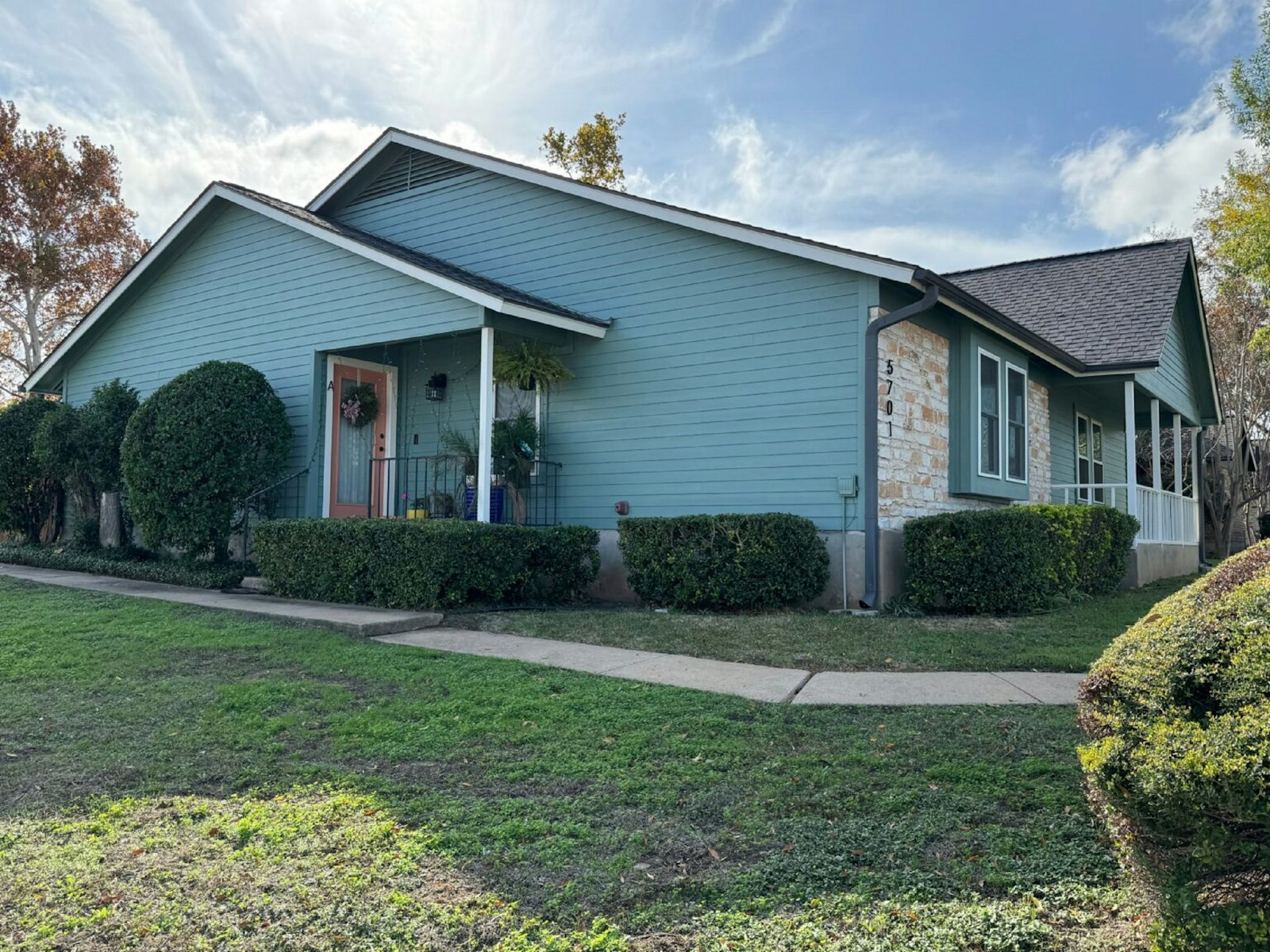
This blog is your resource for in-depth guides, market analysis, neighborhood breakdowns, and actionable advice on everything from financing and closing to pricing strategy and investment potential. Every article is written by a practicing Austin real estate professional with years of local market experience.
Quick Index
- Buying Guides & First-Time Buyer Resources
- Selling Guides & Listing Strategies
- Neighborhood & Area Guides
- Investment & Financial Strategies
- Market Trends & Analysis
- Closing, Legal & Tax Topics
- Life Transitions & Special Situations
- Frequently Asked Questions
- Get Started Today
Buying Guides & First-Time Buyer Resources
Buying a home is one of the largest financial decisions most people make. Austin's market—with competitive bidding, inventory constraints in popular neighborhoods, and rising prices—requires strategic thinking and solid preparation.
For First-Time Buyers
If you've never bought before, understanding your options is crucial. Learn about first-time home buyer programs available in Texas, including down payment assistance, grants, and favorable loan terms. These programs can significantly lower your barriers to entry.
- FHA loans (lower down payment, easier credit qualification)
- VA loans (if you're active military or a veteran)
- USDA loans (if you're buying in eligible rural areas near Austin)
- State and local down payment assistance programs
- Employer-sponsored home purchase assistance
Timing & Market Strategy
When should you buy? The answer depends on your personal situation, finances, and job stability—but market conditions matter too. Read our guide on the best time to buy a home in Austin to understand seasonal trends, interest-rate cycles, and inventory patterns.
Key seasonal trends in Austin: spring (March–May) sees peak inventory and competition; summer (June–August) remains active but prices may soften slightly; fall (September–November) offers moderate inventory; winter (December–February) typically has the least competition and lowest prices—but fewer homes on market.
Rent vs. Buy
Not sure if you should rent or buy? Our rent vs. buy decision guide walks you through the financial and lifestyle trade-offs. Use our interactive calculator to compare total costs over 5, 10, and 20 years.
Selling Guides & Listing Strategies
Selling a home in Austin requires more than just listing and hoping. The market is competitive—even in a strong seller's market, preparation, pricing, and presentation are the difference between a quick sale and a listing that lingers.
Preparation & Home Staging
Before you list, prepare your home to appeal to the broadest audience. Home staging tips include decluttering, minor repairs, landscaping refresh, and neutral paint. Professional staging can increase perceived value by 5–10%.
- Focus on curb appeal: landscaping, clean driveway, fresh exterior paint if needed
- Depersonalize: remove family photos and strong décor; let buyers envision themselves
- Highlight unique features: natural light, views, open floor plan
- Deep clean all spaces, especially kitchen and bathrooms
- Ensure proper lighting; add neutral, inviting touches
Pricing Strategy
Accurate pricing is the single most important variable. Price too high, and you sit on market; price too low, and you leave money on the table. Our pricing guide explains comparable market analysis (CMA), how to evaluate recent sales, and how to account for your home's unique features in the context of 2026 market conditions.
Comparable sales within the last 30–90 days in your neighborhood are your baseline. Adjust for condition, lot size, square footage, and any special amenities. Austin neighborhoods can vary by hundreds of dollars per square foot—location granularity is critical.
Marketing & Offers
A well-positioned listing attracts qualified buyers quickly. Professional photos, drone video, virtual tours, and a clear description of your home's features matter—especially for homes above $500k. Track showing activity, feedback, and adjust strategy if needed within the first week.
Neighborhood & Area Guides
Austin is not one market—it's dozens of micro-markets. Each neighborhood has distinct character, price range, school quality, walkability, and appreciation history. Understanding the neighborhoods is essential for both buyers and investors.
Central & South Austin
South Austin homes are known for their urban walkability, vibrant culture, and proximity to downtown. Neighborhoods like Zilker, Barton Hills, and Travis Heights command premium prices but offer established community and excellent schools.
North & Northeast Austin
North Austin suburbs like Round Rock and Cedar Park have exploded in growth. New construction, family-friendly amenities, and strong schools make them attractive to young families. Prices are generally lower than central Austin for comparable square footage.
West Lake Hills & The Hill Country
West Austin and the Hill Country (including Bee Cave and Dripping Springs) attract buyers seeking space, privacy, and scenic views. Acreage properties are common; prices reflect the land value and privacy premium.
Complete Neighborhood Breakdown
For a comprehensive overview of Austin's neighborhoods—pros, cons, price ranges, schools, and investment potential—see our Austin Texas Neighborhood Guide. It covers 30+ neighborhoods across all compass directions.
Investment & Financial Strategies
Austin has become a magnet for real estate investors—from buy-and-hold rental operators to fix-and-flip entrepreneurs. The market supports multiple investment strategies, but each has different risk, capital, and management requirements.
Rental & Buy-and-Hold
Our investment property guide covers single-family rentals, multi-unit apartments, and the financial metrics you need to evaluate ROI. Austin's population growth, job market strength, and limited new housing supply support strong long-term rental fundamentals.
- Cap rate: the annual return on your investment (typically 4–7% in Austin)
- Cash-on-cash return: actual cash profit vs. cash invested
- Appreciation: historical and projected price growth (Austin averages 4–6% annually)
- Property management costs, vacancies, and maintenance reserves
- Tax deductions: mortgage interest, property tax, insurance, repairs, depreciation
Fix-and-Flip
Fix-and-flip requires active work: find undervalued property, manage renovation, and sell quickly for profit. Success depends on accurate cost estimation, contractor management, and market timing. Austin's competitive market makes flipping riskier than in slower markets—overestimating profit is common.
Short-Term Rental (STR)
Airbnb and similar platforms allow investor-owners to generate higher nightly cash flow than traditional rentals. However, Austin has zoning restrictions and licensing requirements—not all properties or neighborhoods allow STR. See our short-term rental investment guide for regulations, market analysis, and ROI expectations.
Market Trends & Analysis
Market conditions shift constantly. Interest rates, job growth, inventory levels, and new construction all influence price trends and buyer/seller leverage. Stay informed with regular market updates.
2026 Austin Market Overview
Our Austin TX Real Estate Market 2026 guide provides current data on median prices, days on market, inventory levels, and forecast trends. Key metrics for 2026 include:
- Median home price in Austin metro: ~$550,000–$600,000 (varies by neighborhood and property type)
- Average days on market: 30–45 days (competitive but not as tight as 2021–2022)
- Mortgage rates: in the 6–7% range, up from historic lows but stabilizing
- Inventory: gradual increase but still below historical norms; shortage in sub-$400k range
- Price appreciation: moderate (2–4% annually), down from pandemic surge
Why Austin Real Estate Remains Strong
Austin's appeal is structural, not cyclical. Population growth (Austin is one of the fastest-growing major metros in the U.S.), tech job migration, affordable-by-coastal-standards pricing, and limited developable land support long-term demand. The market may fluctuate quarter-to-quarter, but multi-year appreciation is likely.
Closing, Legal & Tax Topics
The final stages of a real estate transaction—closing, title, and post-purchase tax planning—require attention to detail and understanding of Texas law.
Understanding the Closing Process
From offer acceptance to keys in hand, understand each step of the closing process. Typical Austin closings take 30–45 days and involve inspections, appraisals, underwriting, title review, and final walkthrough.
- Offer & acceptance (negotiate terms and contingencies)
- Inspection period (typically 10 days; negotiate repairs or credits)
- Appraisal (lender's requirement; must meet loan value)
- Underwriting (lender verifies finances, title, and property)
- Final walkthrough (confirm agreed repairs and no new issues)
- Closing meeting (sign documents, transfer funds, receive keys)
Capital Gains & Taxes
When you sell, understand your tax liability. The IRS capital gains rules allow many homeowners to exclude up to $250,000 (single) or $500,000 (married) in profit—but only if you've lived in the home for at least 2 of the last 5 years. Our capital gains tax guide explains exclusions, holding periods, and strategies to minimize tax.
Attorney vs. Real Estate Agent
Do you need both? Our guide on real estate attorney vs. realtor clarifies roles. In Texas, agents represent buyers or sellers; attorneys provide legal counsel and title protection. Many transactions benefit from both perspectives, especially for complex scenarios (investment deals, divorces, estates).
Life Transitions & Special Situations
Real estate decisions often coincide with major life changes. Whether you're downsizing, dealing with a divorce, settling an estate, or relocating for a job, we have guides tailored to your situation.
Downsizing
Empty nesters and retirees often downsize to free up equity, reduce maintenance, and simplify. Our downsizing guide covers choosing the right smaller home, managing the emotional transition, and maximizing proceeds from your larger property sale.
Divorce Home Sales
Selling during a divorce adds legal complexity. Our divorce home sale guide walks through co-listing, protecting your interests, timing considerations, and tax implications. Coordination with your divorce attorney is essential.
Estate & Inherited Property
Inheriting a home requires decisions: keep it, rent it, or sell? Our estate sale guide covers probate considerations, stepped-up basis tax benefits, and strategy for settling a loved one's home.
Frequently Asked Questions
What is the current Austin real estate market like in 2026?
As of 2026, Austin's real estate market remains competitive but more balanced than the pandemic boom years. Median prices have stabilized in the $550,000–$600,000 range for the metro area, with significant variation by neighborhood. Interest rates are in the 6–7% range, and inventory is gradually improving. The market still favors sellers overall, but buyer leverage has increased compared to 2021–2023. See our 2026 market guide for detailed trends.
How much do I need for a down payment in Austin?
Down payment requirements vary by loan type. Conventional loans typically require 10–20%; FHA loans accept as little as 3.5%; VA loans often allow zero down. Many first-time buyers qualify for down payment assistance programs that can cover 5–20% of the purchase price. Speak with a lender and explore all available programs before assuming you need to save a large sum.
Should I buy a home or rent in Austin?
The decision depends on your job stability, plans to stay in Austin (ideally 5+ years), available capital, and personal preferences. Generally, if you plan to stay put for 5+ years and can afford a reasonable down payment, buying builds equity and offers stability. Our rent vs. buy guide includes a calculator to compare lifetime costs for your specific situation.
What are the best neighborhoods in Austin to buy?
That depends on your priorities: South Austin (walkability, culture, urban vibe), North Austin suburbs (new construction, schools, family-friendly), or Hill Country (space, privacy, scenic views). Each has distinct character and price range. Explore our neighborhood guide covering 30+ areas, school ratings, appreciation history, and lifestyle factors.
How long does it take to close on a home in Texas?
Most Austin closings take 30–45 days from offer acceptance, contingent on inspection, appraisal, and underwriting timelines. Inspect your home within the first 10 days of the contract; appraisal typically takes 7–10 days; underwriting varies but usually 10–15 days. Complex transactions or cash sales can close faster. See our step-by-step closing guide.
What costs should I expect at closing?
Closing costs typically run 2–5% of the purchase price for buyers and 6–10% for sellers. Buyer costs include loan origination, appraisal, title insurance, survey (if required), and title review. Seller costs include agent commission (typically 5–6%), title insurance, transfer tax, and any agreed concessions. Get a Closing Disclosure at least three days before closing to review all itemized costs.
Is Austin a good place to invest in real estate?
Yes. Austin's population growth (one of the fastest-growing major metros), strong job market, limited new supply, and affordable-by-coastal-standards pricing support long-term appreciation and rental demand. However, returns vary by neighborhood and property type. Our investment property guide walks through financial analysis and different investment strategies suited to your timeline and capital.
Ready to Take the Next Step?
Whether you're buying, selling, or investing in Austin real estate, this blog is your knowledge base. We publish new guides regularly to keep you informed on market shifts, neighborhoods, and strategies.
When you're ready to move forward—whether that's crafting an offer, listing your home, or exploring investment opportunities—contact Jessica Cheatham today. With years of Austin market experience and a commitment to clear communication, Jessica helps buyers and sellers navigate the complexities of the market with confidence.
Start by browsing our latest blog posts or scheduling a free consultation. We're here to help you make informed real estate decisions.
Local Resources & Regulatory Information
Austin real estate is governed by Texas state law, City of Austin zoning and permitting, and Texas Real Estate Commission (TREC) standards. For homeownership questions, the CFPB home buyer guide and Texas Department of Housing and Community Affairs offer federal and state resources on financing, buyer rights, and fair lending.